Scodix and Foil Stamping: How to Combine Premium Effects in Luxury Packaging
A technical guide to layering Scodix digital enhancement with hot foil stamping, embossing and soft-touch lamination on luxury rigid boxes — covering process sequencing, registration constraints, a worked perfume-box example, and the brief buyers should send.
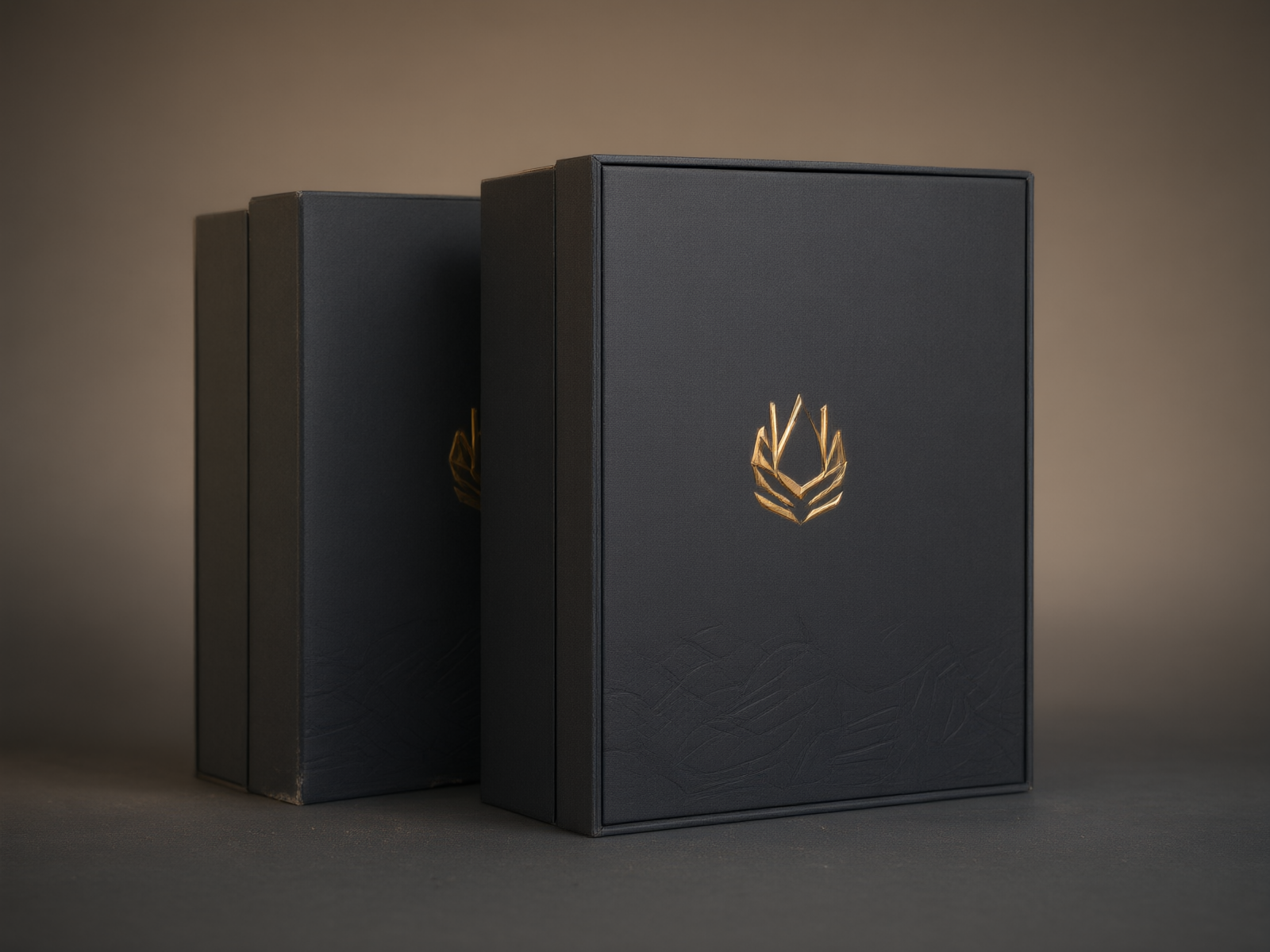
A luxury product is often behind glass, sealed in a carton, or hanging on a hook. The packaging is the part a buyer actually touches. That single fact drives most of the finishing decisions prestige brands make. One technique alone, a foil logo or a matte laminate, has become a baseline expectation in cosmetics and perfume aisles. Differentiation now comes from layering techniques, and the layering has to be engineered rather than improvised. At BOYU LUXE PACK we run soft-touch lamination, hot foil stamping, embossing and Scodix enhancement under one roof, which puts us in a position to say where each process belongs in the sequence.
What Each Process Actually Contributes
Soft-touch lamination bonds a thin matte polypropylene film to the printed board. The perceived quality comes from the surface texture, and the film also protects the ink underneath. The consequence that matters for combining effects: foil now lands on a plastic surface instead of paper, which requires a release layer and adhesive that can grip low-energy film.
Hot foil stamping presses a heated metal die against the sheet at roughly 100°C to 130°C, releasing a metallized or pigmented film onto the die’s footprint. No printed varnish or digitally applied effect matches the mirror reflectivity of hot-stamped metallic foil. When a brand needs a logo to flash gold under shop lighting, hot foil remains the reference method.
Embossing uses matched male and female dies to raise a design out of the sheet. It carries no color and reads through shadows in raking light, which is why it suits patterns placed around a focal logo instead of competing with it.
Scodix is a digital embellishment system. Instead of dies, it jets UV varnish layer by layer and then applies controlled heat and pressure to create raised, textured, or contracted effects, and its cold-transfer module can also lay down metallic foil from a digital file. Because the workflow is die-less and driven entirely by artwork, registration comes from the file, and artwork can even vary piece-by-piece within a run, something tooling-based processes cannot do economically.
Why the Combination Works, and What Constrains It
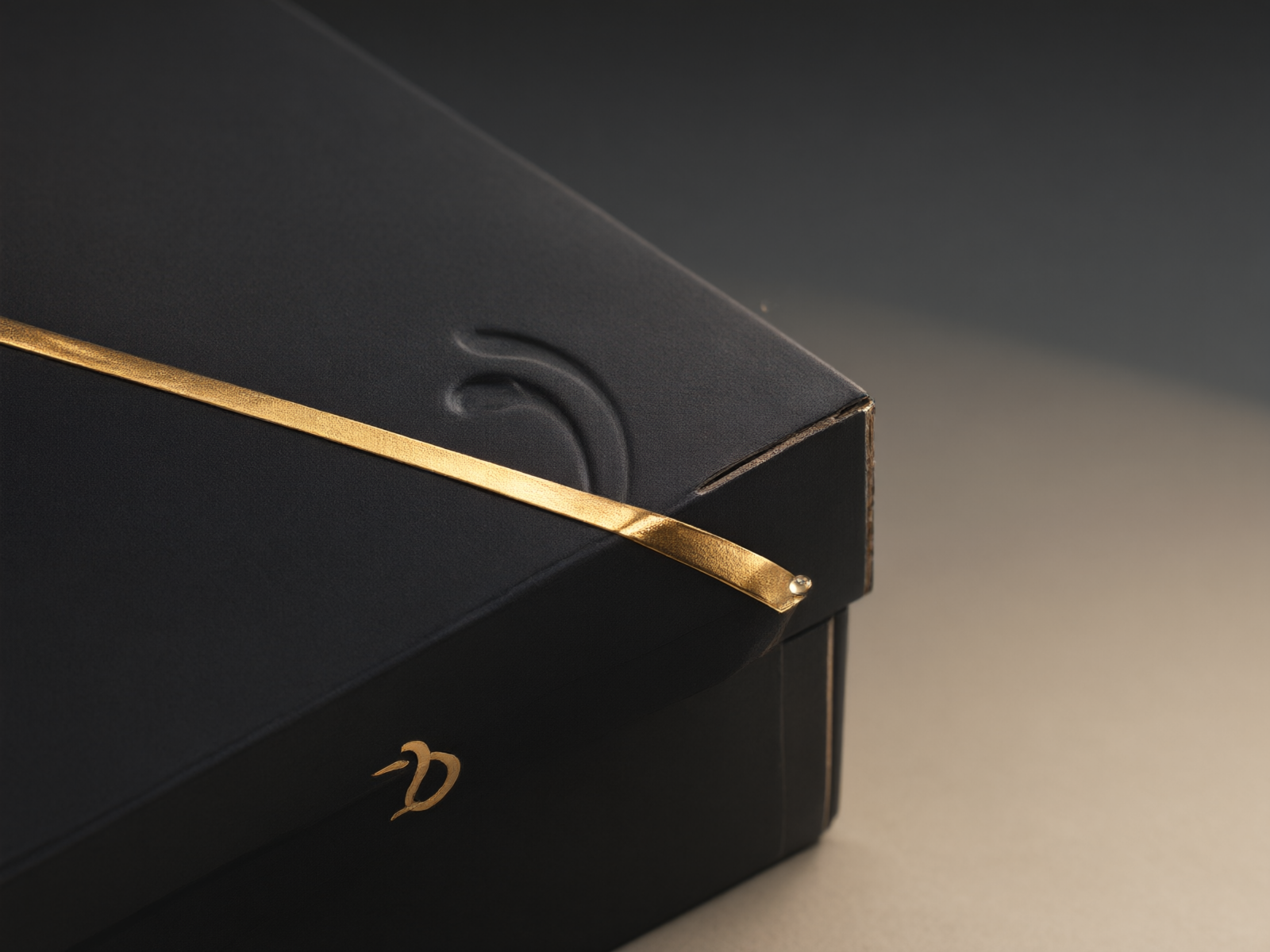
Each process speaks through a different channel. Foil catches the eye. Soft touch answers the hand, while embossed relief and raised Scodix varnish give the surface a sculptural quality that photographs well and feels deliberate. Buyers read a layered surface as evidence of production cost, which is exactly the signal luxury packaging exists to send.
The physics narrows the possible sequences. Embossing stretches the board, and fine printed or foiled detail carried over an embossed slope distorts and can crack. Raised varnish systems need a flat plane for the nozzle path to stay accurate, so Scodix zones should sit on laminated flat areas or on shallow foiling rather than across tall relief. Every added pass brings another handling step and another registration event; combination work fails most often at the margins, where cheap converters let misregistration and scuffed foil escape the pressroom.
A Worked Example: The Perfume Box
The sequence below reflects how we would build a prestige fragrance box, and it follows the logic described above.
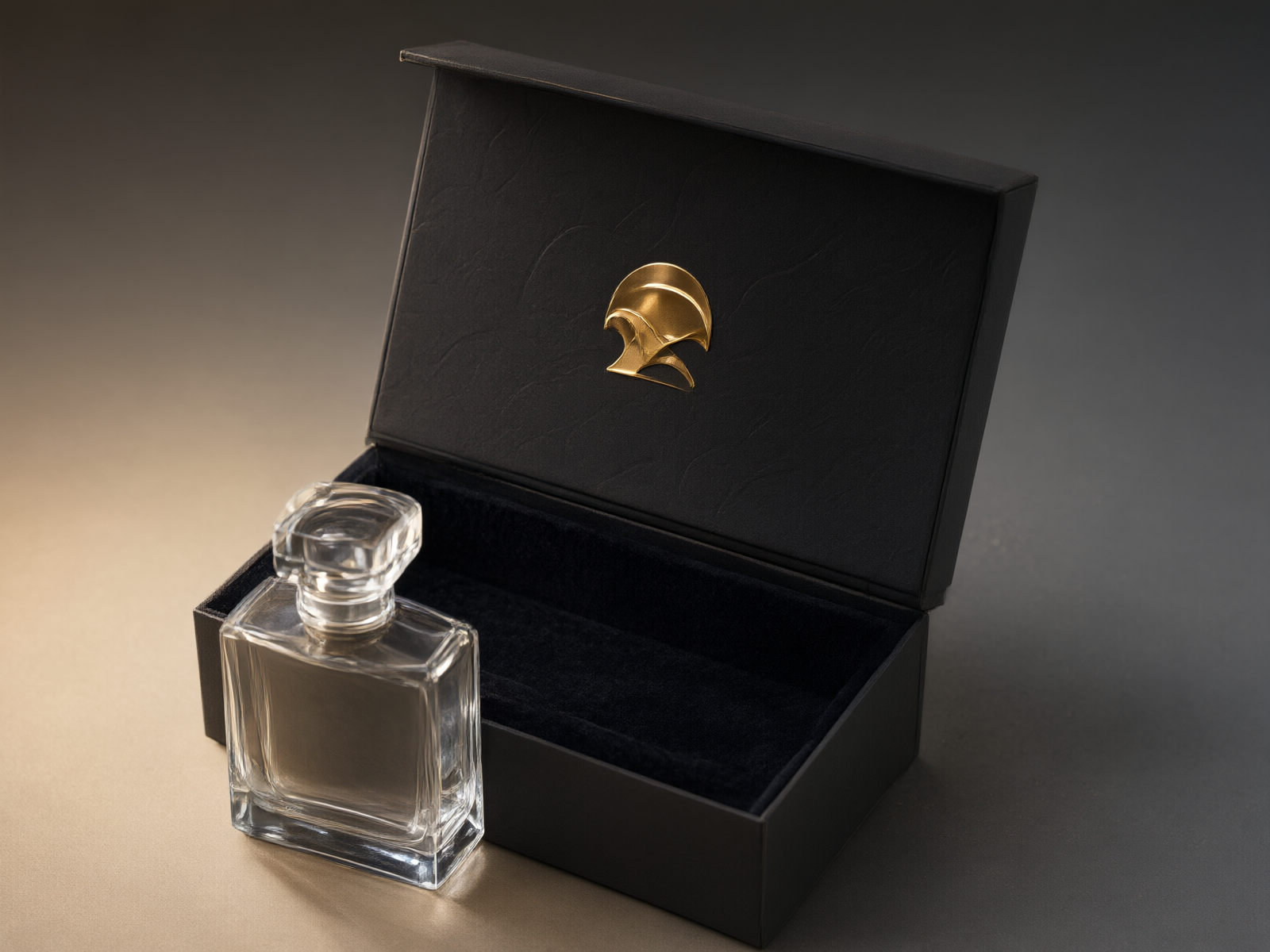
The starting point is a rigid magnetic-closure box in our standard configuration: 1,500gsm chipboard wrapped in printed textured paper at 180 × 120 × 80 mm, with a velvet interior. From the factory’s side of the press, the order runs as follows.
First, matte soft-touch lamination goes over the full wrap sheet, since every later effect will sit on this surface. Second, the logo is hot-foiled in gold, taking the highest-reflectivity position while the surface is still flat. Third, the Scodix pass deposits raised clear enhancement directly over the foiled logo, which adds dimensional depth without covering the metallic effect; this step has to precede any relief-forming operation, because it depends on a true plane. Fourth, a low-relief brand pattern is embossed in areas away from the logo, so the shallow stretch cannot disturb the foil or the varnish peaks.
We ship comparable construction today: our current perfume presentation box pairs silver foil with embossing over a greyboard wrap, and the luxury skincare gift set combines Pantone gold foil with spot UV on a 1,200gsm rigid box. Adding a Scodix pass to either structure is a callout change, not a re-engineering of the packaging.
What Buyers Should Put in the Brief
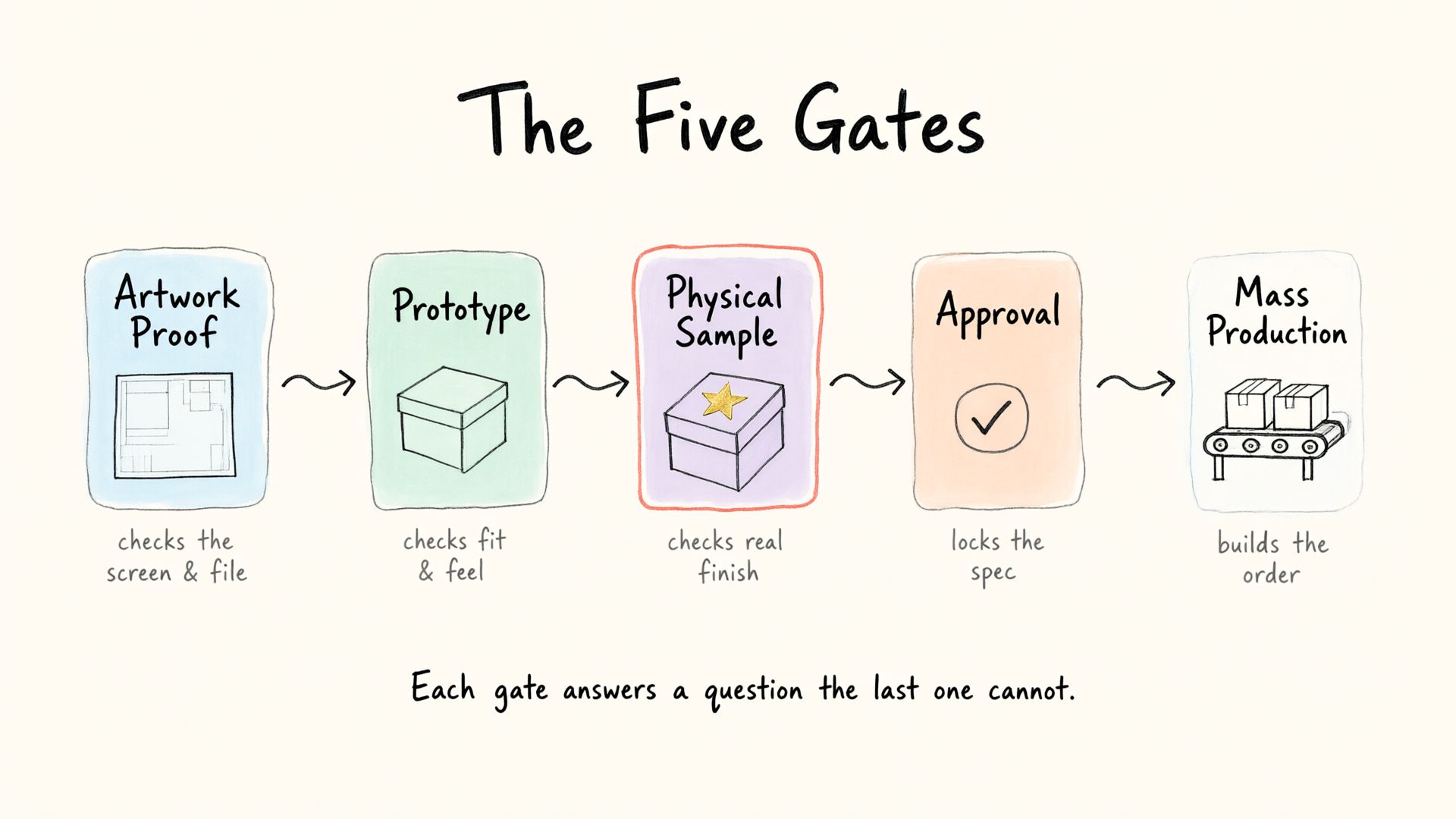
A combination job succeeds or fails at the specification stage. State the layer order in the artwork callouts rather than leaving it to the plant, because each pass dictates tolerances for the next. Require a production-intent physical sample, with foil, varnish and relief all present, before tooling is released; a blank mock-up tests structure but proves nothing about registration. Then rub-test the finished sample along box corners and edges, because soft-touch films mark at fold lines and foil edges lift at box corners before they fail anywhere else.
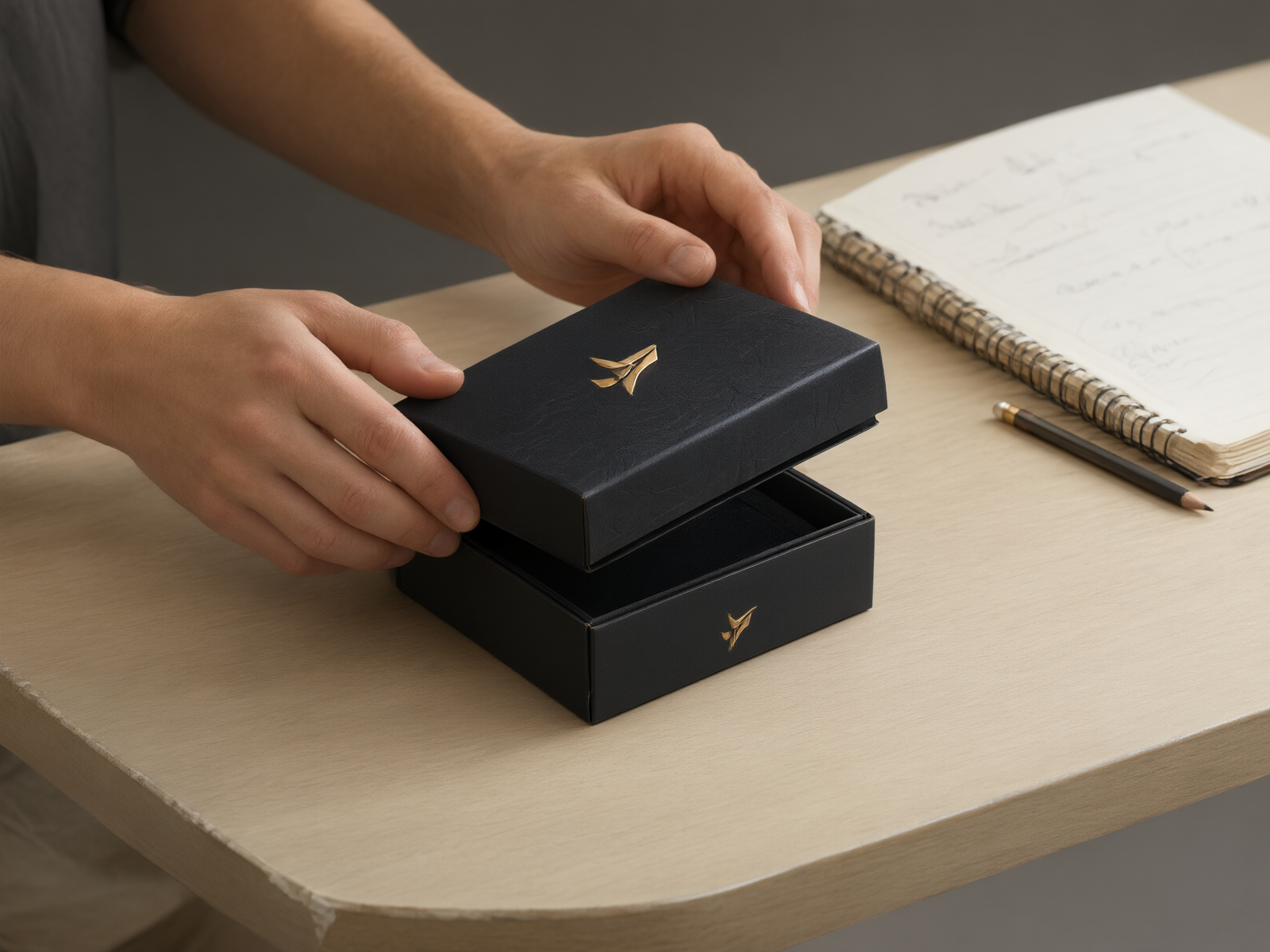
When those points are settled, commercial parameters become meaningful: we start combination work at 200 pieces, quote lead times with the extra passes included, provide free design support so finish callouts appear on the dieline before approval, and ship stock samples so buyers can evaluate finish quality before committing to a project.
The Point to Hold Onto
Foil, Scodix, embossing and soft touch are not interchangeable ways to make a box shiny. Each has conditions under which it works and conditions under which it damages its neighbors’ results. A direct factory that owns the printing, foiling, embossing and digital decoration in one facility can control that sequence, inspect it against one standard across multiple stages of checks, and deliver it worldwide. Send your artwork and reference images to our team for a free quote, and hold the combined effects in your hands before you commit.
Interested in Custom Paper Tube Packaging?
Send us your specifications and get a detailed quote within 24 hours.
Get a Free Quote