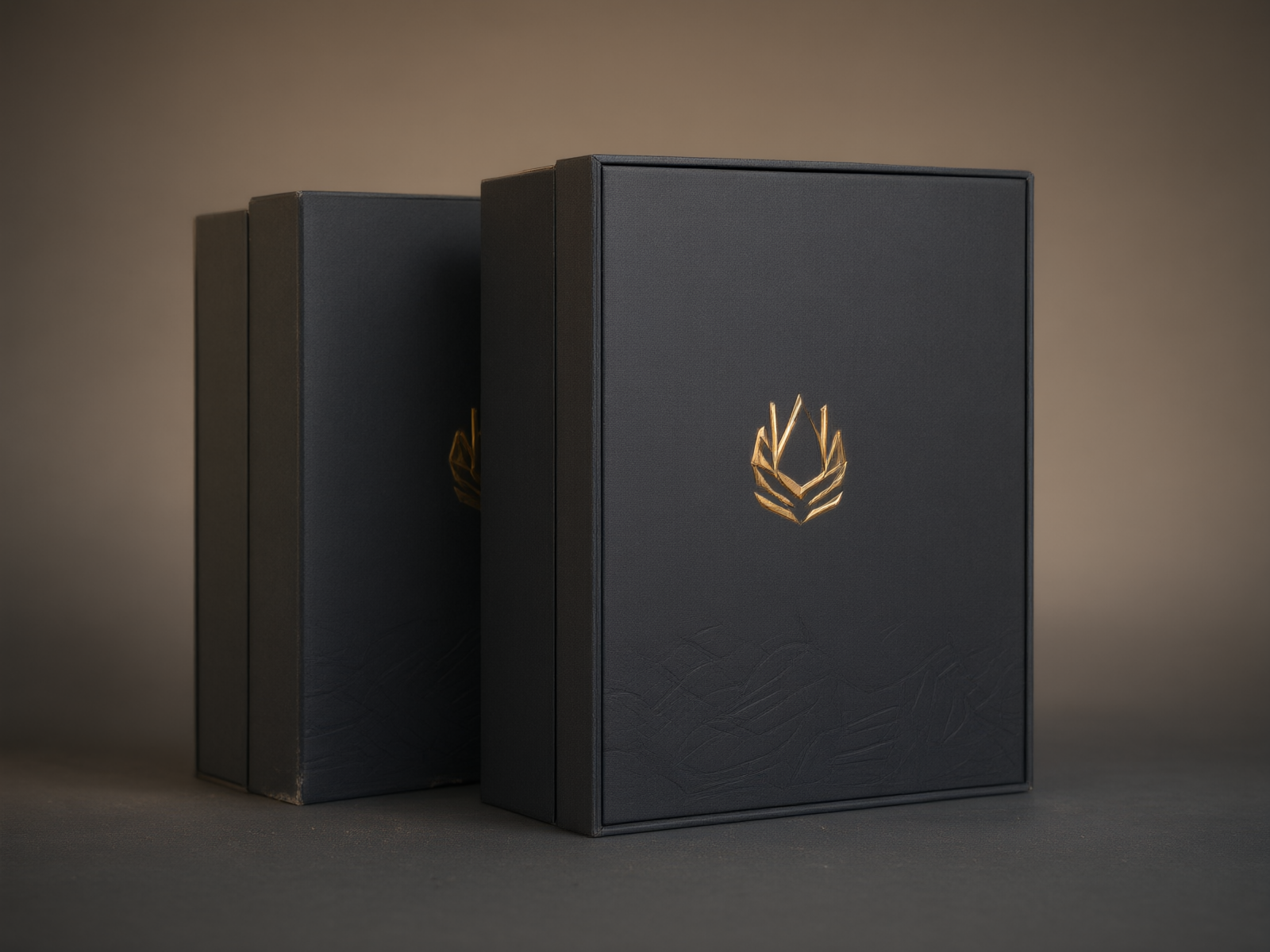
Custom Paper Tube Packaging for Cosmetics and Perfume Brands: From Structure to Surface Finishing
A comprehensive guide covering the key technical decisions involved in developing custom paper tube packaging from initial design to final delivery, including structure, materials, printing, finishing and quality control.
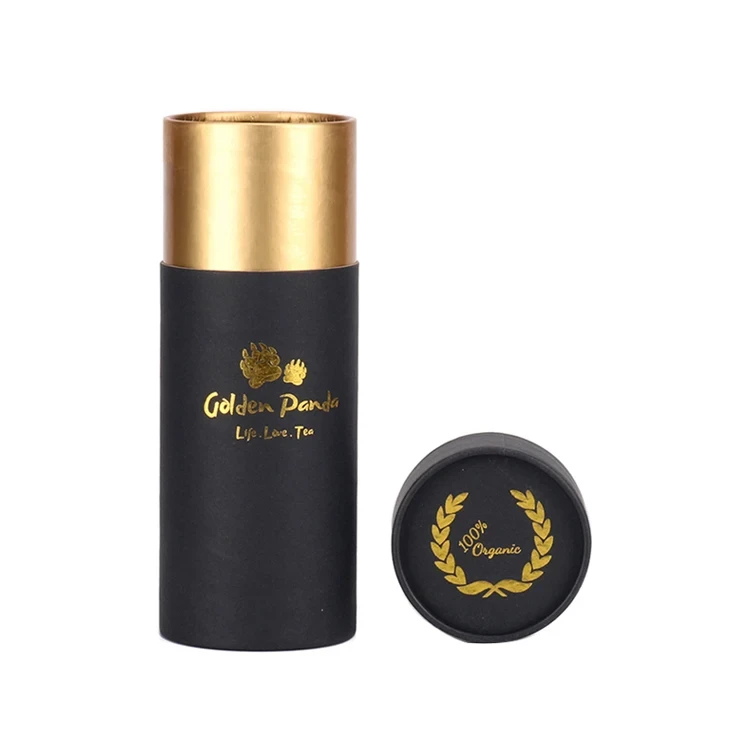
For cosmetics and perfume brands in Europe and North America, custom paper tube packaging is no longer simply an alternative to conventional boxes or plastic containers. It can serve as a primary package, secondary package, gift package or premium presentation tube, depending on the product and regulatory requirements.
A successful paper tube project requires more than selecting a diameter and printing a logo. The structure, paperboard, inner lining, closure, printing, finishing, product compatibility and quality-control requirements need to be considered together.
This guide explains the key technical decisions involved in developing custom paper tube packaging from initial design to final delivery.
1. Start With the Product, Not the Tube
The first step is to define what the paper tube needs to do. Cosmetic and perfume applications may include: lip balm and deodorant sticks, solid perfume, skincare products, essential-oil products, candles, tea and coffee, bath and wellness products, cosmetic gift sets, perfume presentation packaging, and small accessories and promotional products.
Different applications require different tube structures. A lip balm push-up tube, for example, has very different functional requirements from a rigid perfume gift tube. A food-contact application also requires different material and compliance considerations from a secondary cosmetic package.
Information to Confirm at the Beginning
Before developing the structure, the packaging supplier should normally receive: product dimensions, product weight, product shape, product filling method, intended application, target market, required shelf life, shipping conditions, estimated order quantity, and desired opening or dispensing mechanism.
Professional recommendation: Do not finalize the tube diameter only from the product's nominal dimensions. Allowances for assembly, inner components, wall thickness and production tolerance need to be considered.
2. Paper Tube Structure: Diameter, Height and Wall Construction
The basic dimensions of a paper tube are usually defined by Internal Diameter x Internal Height. However, these two dimensions alone do not completely define the structure. Other important parameters include: tube wall thickness, number of paper layers, inner liner, bottom construction, shoulder structure, lid construction, closure method, and product clearance.
For rigid cosmetic and perfume packaging, the tube wall is typically built from multiple layers of paperboard or paper wrapped around a forming mandrel. The number and specification of layers influence: compression strength, dimensional stability, surface smoothness, weight, and perceived quality.
Common Closure Options
Depending on the application, a paper tube may use: paper lid, slip-fit lid, shoulder-neck lid, metal lid, plastic lid, push-up mechanism, custom insert, or magnetic/specialty closure.
Professional recommendation: The closure should be tested together with the finished tube rather than evaluated separately. The correct fit should provide sufficient retention without making the package difficult to open.
3. Material Selection: Kraft Paper, Art Paper or Specialty Paper?
There is no universally "best" paper for every cosmetic or perfume tube. The appropriate material depends on the desired appearance, strength, print quality and environmental requirements.
Kraft Paper
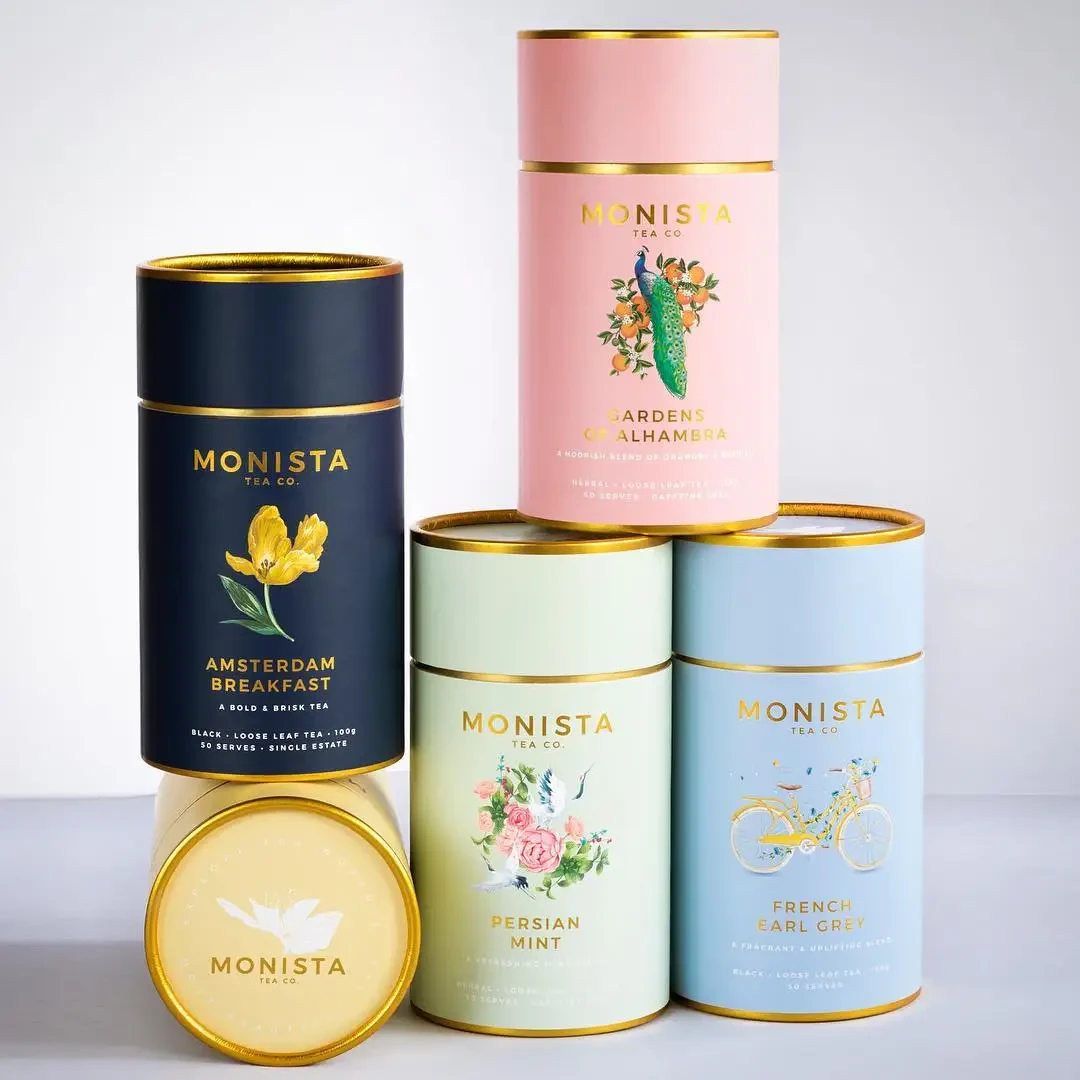
Kraft paper can provide a natural and sustainable visual identity. It is often used for: natural skincare, organic-inspired brands, wellness products, coffee and tea, and eco-oriented packaging. However, the brown base affects printed colors. Bright colors and delicate pastel tones may not reproduce in the same way as they do on white paper.
White Art Paper
White coated paper provides a relatively smooth printing surface and is suitable for: detailed graphics, CMYK printing, product photography, bright colors, and premium branding.
Specialty Paper
Textured, colored or decorative specialty papers can add tactile differentiation. They are particularly useful for: luxury perfume, premium skincare, gift packaging, limited editions, and boutique brands. However, heavily textured papers can affect fine printing, foil stamping and embossing.
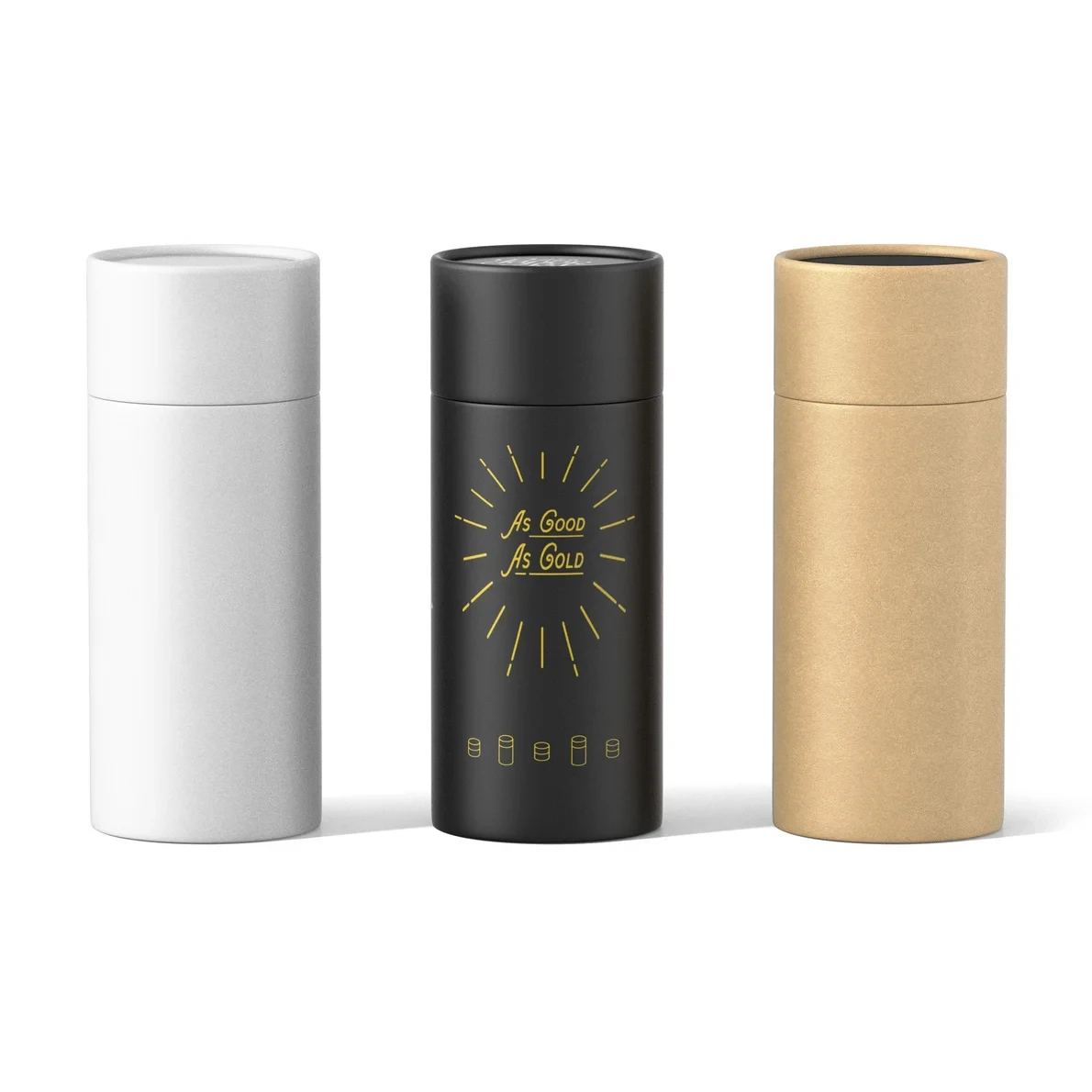
Professional recommendation: Choose the substrate according to the complete visual system rather than selecting paper based solely on color or perceived sustainability.
4. Inner Lining and Product Compatibility
The outer paper structure is only one part of the packaging system. For primary packaging applications, the internal material needs to be evaluated according to the product formulation and intended use.
Potential considerations include: direct product contact, moisture resistance, oil resistance, grease resistance, odor transfer, migration requirements, chemical compatibility, and product shelf life.
A paper tube used as secondary perfume packaging has different requirements from a paper tube that directly contains a cosmetic formulation.
Professional recommendation: Before mass production, clearly identify whether the tube is intended as primary packaging or secondary packaging. For direct-contact applications, material compliance and compatibility should be confirmed for the intended market and product formulation. Where applicable, request relevant supplier documentation and test reports rather than relying only on general claims such as "eco-friendly" or "food-grade."
5. Printing: CMYK, Pantone or Both?
The printing method should be selected according to the artwork and brand-color requirements.
CMYK Printing
Suitable for: photographic graphics, illustrations, gradients, complex artwork, and multi-color designs.
Pantone Spot Color
Useful when a brand requires a specific solid color to be reproduced consistently. This can be particularly relevant for: brand logos, signature colors, minimalist packaging, and large solid-color areas.
CMYK + Pantone
Some packaging designs use both systems when photographic content and critical brand colors appear together.
Professional recommendation: For critical brand colors, provide the applicable Pantone reference and approve a physical sample on the actual substrate. Screen colors should not be treated as the final physical color standard.
6. Surface Finishing: Where the Brand Experience Becomes Physical
Surface finishing can significantly change how a paper tube looks and feels.
Matte Lamination
Creates a smooth, low-gloss appearance and can provide additional surface protection.
Gloss Lamination
Creates a brighter reflective surface and can make printed colors appear more vivid.
Soft-Touch Lamination
Creates a smooth tactile surface often associated with premium cosmetic packaging.
Hot Foil Stamping
Common foil effects include: gold, silver, rose gold, holographic, and colored metallic effects. Foil stamping is frequently used for logos and small premium details.
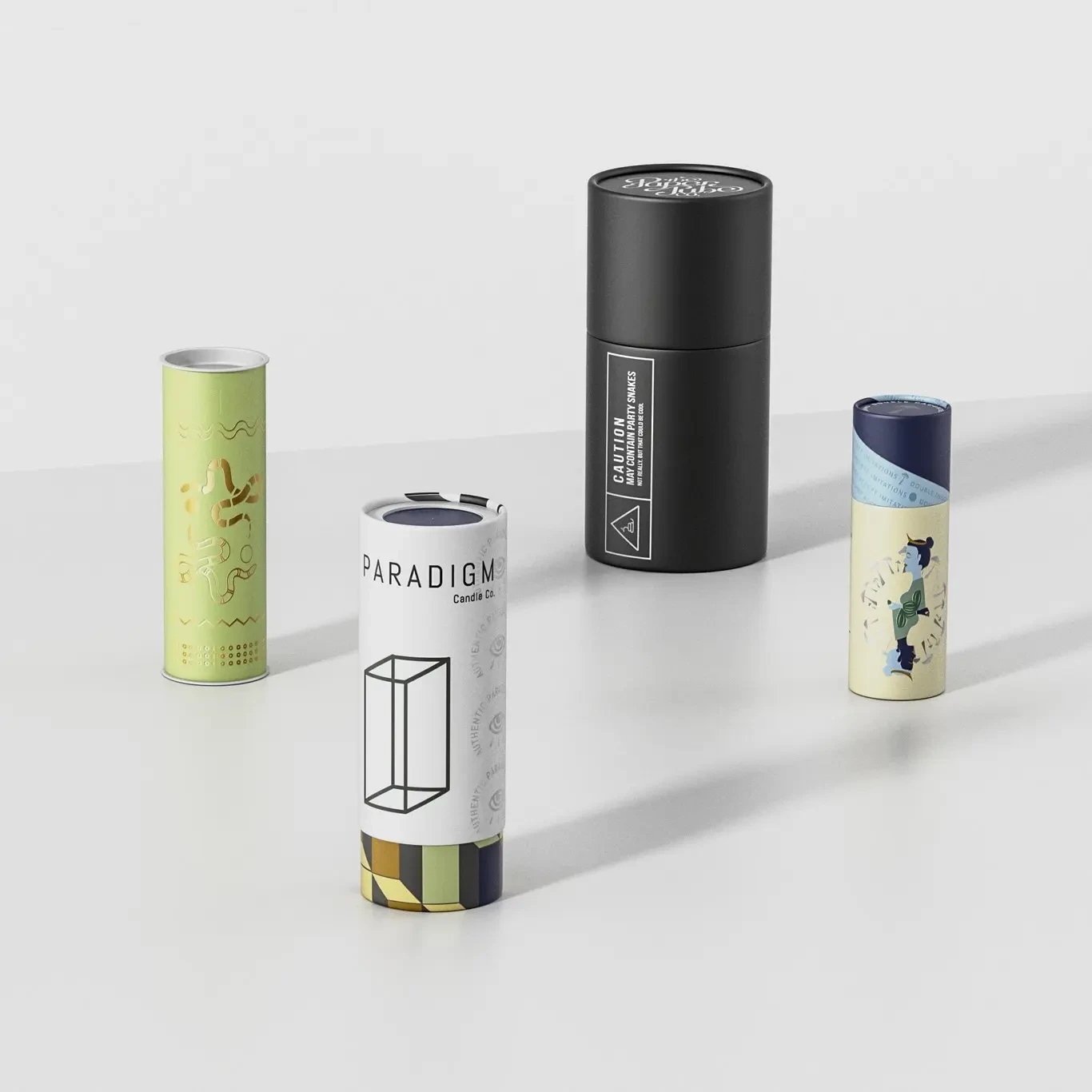
Embossing and Debossing
These processes create physical depth in the paper surface and can be combined with foil stamping.
Spot UV
Applies a high-gloss effect to selected areas, creating contrast against a matte background.
Textured Paper
In some projects, the paper itself becomes part of the finishing strategy, reducing the need for additional effects.
Professional recommendation: Select finishing processes based on the desired visual hierarchy. More finishing does not automatically mean more premium packaging.
7. Why Fine Details Need Special Attention on Paper Tubes
Paper tubes have a curved surface, which creates different printing and finishing conditions compared with flat paperboard. Fine elements may include: small text, thin lines, fine borders, small logos, and micro patterns.
Their appearance can be affected by: tube diameter, paper texture, printing method, registration accuracy, foil stamping, embossing depth, and artwork size. For small-diameter tubes, overly complex artwork may become visually crowded.
Professional recommendation: Keep critical brand elements sufficiently clear and test the actual tube diameter before mass production.
8. How Does Foil Stamping Work on Paper Tubes?
Foil stamping requires controlled heat, pressure and contact between the stamping die, foil and substrate. Its performance can be affected by: paper coating, surface texture, foil type, artwork detail, tube curvature, and machine settings.
Very small text or extremely thin lines can be more difficult to reproduce consistently. A textured paper can also reduce contact between the foil and substrate.
Professional recommendation: For premium cosmetic or perfume tubes, test the actual combination of Paper + Tube Diameter + Foil + Artwork + Finishing rather than approving foil performance from a flat paper swatch alone.
9. Does "Eco-Friendly Paper Tube" Automatically Mean Sustainable Packaging?
No. A paper tube may contain a high proportion of paper while still incorporating other materials such as: plastic components, metal closures, laminating films, synthetic coatings, adhesives, and mixed-material inserts.
The overall environmental profile depends on the complete material structure and the disposal and recycling infrastructure available in the target market. For European and North American brands, sustainability claims should therefore be supported by accurate material information and applicable documentation.
Better Questions to Ask a Packaging Supplier
Instead of asking only "Is this tube eco-friendly?", ask: What materials are used? What is the paperboard composition? Is the paper FSC certified? Does the package contain plastic? Is there a coating or lamination? What is the adhesive system? Is the package designed for the intended recycling stream? Are relevant compliance documents available?
Professional recommendation: Avoid treating "paper-based" and "fully recyclable" as interchangeable terms. The complete packaging structure should be evaluated.
10. Sampling: The Most Important Stage Before Mass Production
A physical sample is used to verify assumptions that cannot be fully evaluated from a digital file.
Structure
Check: internal diameter, height, wall thickness, lid fit, bottom strength, and product clearance.
Appearance
Check: color, printing quality, logo position, paper texture, foil effect, embossing depth, and surface finish.
Function
Check: opening force, lid retention, product insertion, product removal, and structural stability.
Assembly
Check: paper alignment, edge quality, glue marks, bottom construction, and lid alignment.
Professional recommendation: The approved physical sample should become the reference for mass production wherever practical.
11. What Should Be Included in the Final Production Specification?
Before mass production, the packaging specification should be documented clearly. A professional specification can include:
Structural Specification
Tube diameter, tube height, wall thickness, lid type, bottom construction, insert specification.
Material Specification
Paper type, paperboard specification, inner liner, closure material, adhesive, coating or lamination.
Printing Specification
CMYK, Pantone, artwork version, print position, color reference.
Finishing Specification
Foil type, foil color, embossing, debossing, spot UV, lamination, surface texture.
Quality Specification
Dimensional tolerance, print registration, surface defects, lid fit, structural strength, cosmetic appearance.
Packaging and Delivery
Individual packing, quantity per carton, carton dimensions, gross/net weight, shipping marks, delivery quantity.
This documentation helps reduce misunderstandings between the brand, designer and packaging manufacturer.
12. What Should Cosmetic and Perfume Brands Ask a Paper Tube Manufacturer?
Before placing an order, buyers should consider asking these key questions.
Can you make the tube according to my exact product dimensions? Yes, custom diameter, height, wall construction and closure options can be developed according to the project requirements.
Can you match my brand color? CMYK and Pantone options may be available depending on the artwork and printing process. Critical colors should be confirmed with a physical proof.
Can I use foil stamping and embossing together? Yes. The combination can create both visual and tactile effects, but artwork size, paper texture and production conditions should be tested.
Can the paper tube be used as primary cosmetic packaging? This depends on the product, internal structure and regulatory requirements. Direct-contact applications require a different level of material and compatibility assessment from secondary packaging.
Can you provide samples before mass production? A physical sample is recommended for confirming dimensions, structure, material, printing and finishing before production approval.
Is a paper tube automatically recyclable? Not necessarily. Recyclability depends on the complete material construction and the recycling system in the intended market.
13. Recommended Delivery Standard for Custom Paper Tube Packaging
A professional delivery should not be judged only by whether the correct quantity arrives. The finished packaging should be checked against the approved specifications for: Dimensions, Materials, Printing, Finishing, Assembly, Function, and Packing.
The final inspection should verify that the delivered products correspond to the approved sample and agreed production specifications. For international B2B orders, brands may also request appropriate documentation related to materials, certifications and product-specific compliance requirements where applicable.
Conclusion
Custom paper tube packaging is a system rather than a single printed component. A successful project connects: Product Requirements, Structural Design, Material Selection, Printing, Surface Finishing, Physical Sampling, Quality Control, Mass Production, and International Delivery.
For cosmetics and perfume brands, the most important objective is not simply to create an attractive tube. The packaging needs to provide the required structure, communicate the brand identity, deliver a consistent physical experience and meet the material and compliance requirements of its intended application and market.
The earlier these requirements are defined, the fewer changes are likely to be required during sampling and mass production.
Interested in Custom Paper Tube Packaging?
Send us your specifications and get a detailed quote within 24 hours.
Get a Free Quote