FSC Certified Packaging: What Buyers Should Know Before Ordering
A practical breakdown of what FSC certification actually covers in a custom paper packaging order, separating fiber traceability from food safety, recyclability, and biodegradability, with a verification checklist for procurement teams.
Order specification sheets now read like an environmental résumé: FSC certified packaging on line one, recyclable on line two, biodegradable somewhere down the list. The trouble is that three words with different engineering meanings get treated as a single badge. Brand teams regularly point at the FSC logo and assume it clears food safety, end-of-life recycling, and compostability in one stamp. Each is a separate claim with separate proof, and signing off on one does not sign off on the others. The following sets out what FSC certification actually covers in a custom paper packaging order, and what to verify before a purchase order leaves the desk.
What the FSC Label Actually Proves
FSC — the Forest Stewardship Council, an independent nonprofit founded in 1993 and based in Bonn — does not issue a generic “green” verdict on a finished box. What it certifies is fiber origin and traceability. Forest Management certification covers how the trees were harvested. Chain of Custody (CoC) certification tracks certified material through every processor down to the factory gate, so the mark on a printed carton reflects a documented paper trail, not a property of the package itself. The label carries a defined data point: FSC 100% means all input fiber is certified; FSC Mix means at least 70% of the wood content is certified, with the remaining balance controlled or recycled; FSC Recycled means substantially recycled input. None of these figures describe the packaging’s chemistry, its food-contact status, or its disposal route.
FSC Certified Packaging Is Not a Food Grade Certification
Food safety is governed by regulation, not by a forestry scheme. Paper and board in contact with product is assessed under frameworks such as the US FDA rules in 21 CFR and the EU Framework Regulation 1935/2004 with its specific measures for paper and board. These tests measure migration: whether inks, adhesives, varnishes, and barrier coatings transfer into the food. An FSC certificate on a paper tube for loose-leaf tea proves the kraft fiber is traceable; it says nothing about whether the printing inks or a moisture barrier migrate into the tea. The correct evidence for a food-contact package is a third-party migration report (SGS, Intertek, or an equivalent laboratory) tied to the exact finishing combination, plus a declared food-grade stock. That is why the artisan tea tubes we produce start from food-grade kraft, with FSC recorded as a supply attribute layered on top rather than substituted for it.
FSC Does Not Make Packaging Recyclable
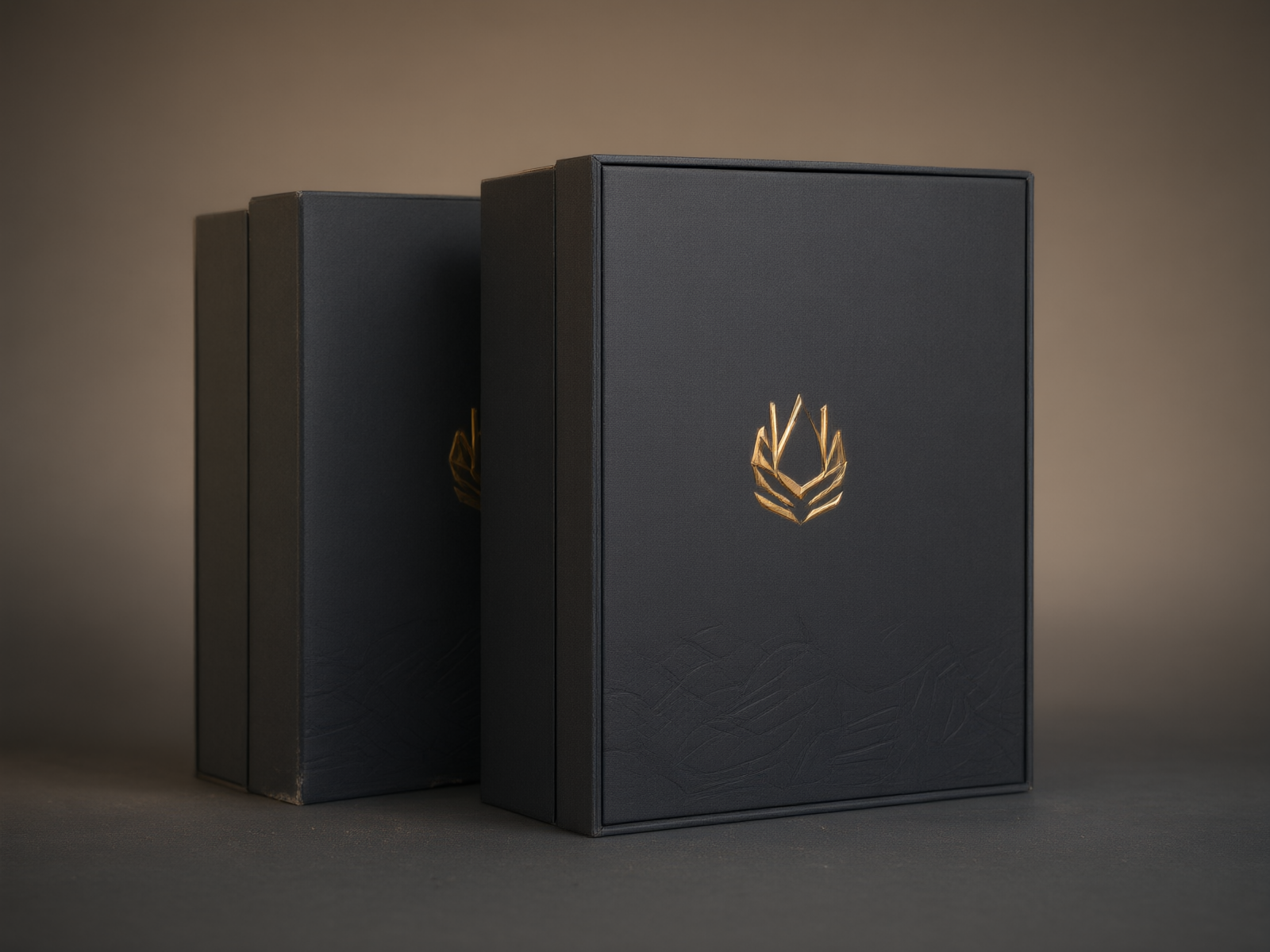
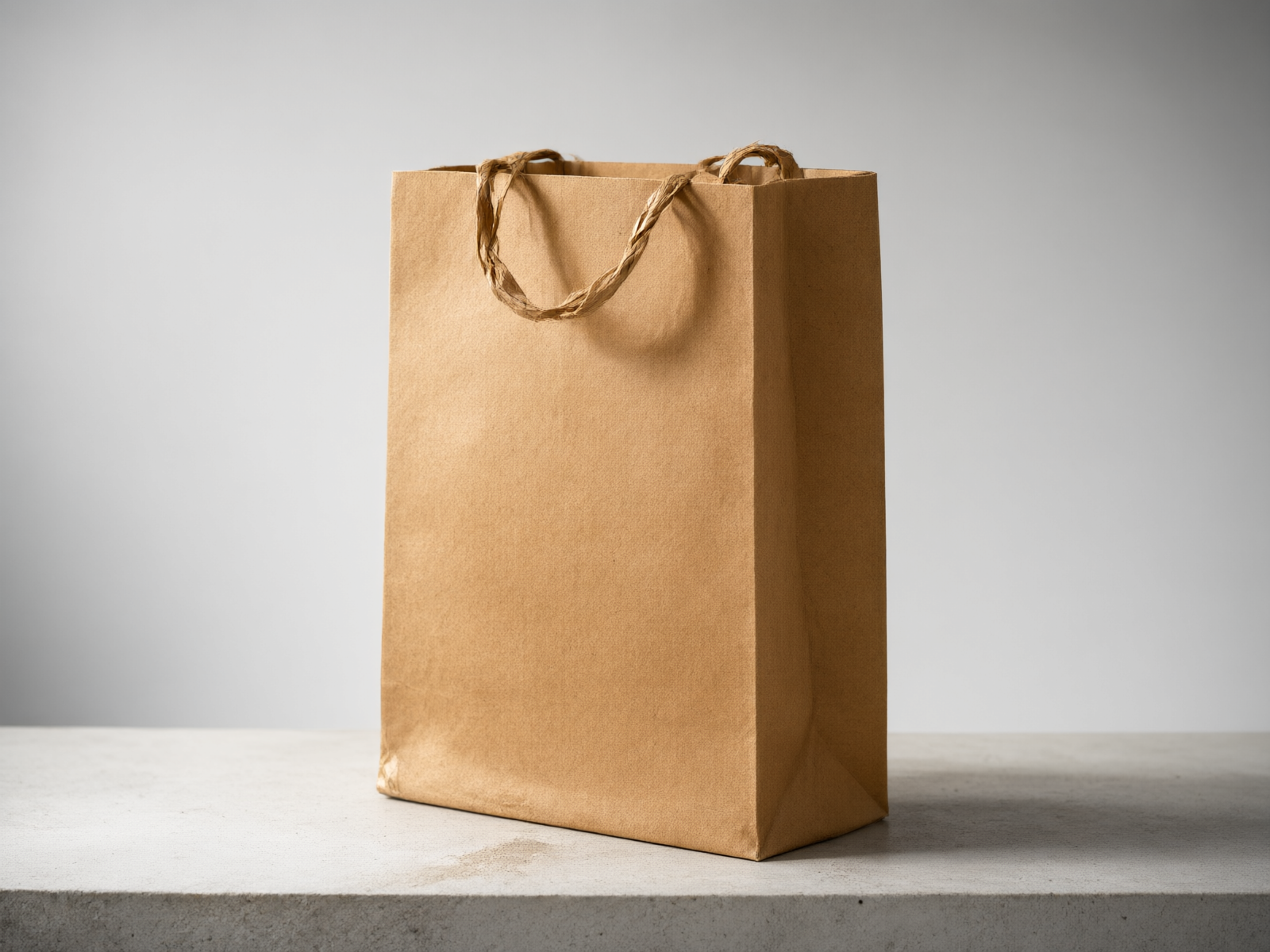
Recyclability is a structural question. The paper mill process recovers cellulosic fiber while stripping out non-fiber layers as residue; coatings above a tolerance become contamination rather than feedstock. The finishes brands choose for shelf appeal are precisely the ones that complicate recovery: plastic lamination, metallized paper, soft-touch film, hot foil stamping, spot UV varnish, and glue-mounted liners all sit outside the fiber balance. A rigid gift box built on 1200gsm chipboard with art paper wrap and hot foil carries a valid chain-of-custody record and is still considerably harder to recycle than an uncoated white kraft paper shopping bag. The certification on both boxes describes the forest, not the recovery system. A buyer verifying a recyclable claim has to ask about the finishing stack, not the logo.
FSC Is Not a Biodegradability Claim
Biodegradation measures how long a material takes to break down under defined conditions, which is independent of where the fiber was grown. Uncoated paper decomposes readily; the same component laminated, metalized, or bonded to a plastic insert and a velvet lining leaves non-paper material behind. The word “biodegradable” in marketing usually assumes an industrial composting regime — sustained elevated temperature, controlled humidity, an organized compost stream — neither a backyard pile nor a landfill, where compressed, low-oxygen conditions slow fiber breakdown and can release methane. An independent compostability route exists for that claim, built around EN 13432 in Europe or ASTM D6400 in the US, and those certificates assess the whole material structure rather than the board alone. FSC measures none of these conditions.
Before the Purchase Order: A Verification Checklist
The sequence we recommend every brand put in front of a supplier runs as follows.
Request the supplier’s FSC Chain of Custody certificate number and confirm it against the FSC public certificate database, including validity dates and product classes. A logo printed without a current CoC code is a labeling breach that transfers to the brand owner.
Match the label type — 100%, Mix, or Recycled — to the downstream marketing claim. A “100% recycled” caption cannot rest on a Mix certificate.
Require food-contact proof as a separate document set when the package touches product, covering the actual ink, adhesive, varnish, and lining combination rather than the base sheet.
Obtain the finishing specification for each surface and judge recyclability and compostability on that structure, not on the certification.
Confirm where in the chain the certificate sits — trader, mill, or converter — so the scope covers the goods actually being shipped.
The paperwork is routine for a direct factory and is also where trading intermediaries tend to stall.
Turning Compliance Into a Buildable Spec
BOYU LUXE PACK is a custom packaging manufacturer based in Shenzhen, producing rigid gift boxes, custom paper tubes, paper bags, and food and cosmetic packaging for brands across cosmetics, food and beverage, fashion, jewelry, and retail. The company’s value is in translating a compliance requirement into a structure that survives an auditor: material selection, finishing choices, and the document set behind each. Buyers working under a retailer or marketplace sustainability mandate can send the specification and the claim the marketing team needs to defend, and receive back a build sheet that reconciles the two. Custom manufacturing runs from a low MOQ of 200 pieces, with free design support on structure and graphics, free physical samples so the finishing can be judged in hand, strict multi-stage quality control, and export experience into the USA, Europe, the Middle East, and Southeast Asia with sea, air, and express global shipping. Inquiries are handled at sales@ecopaperpackaging.com or +86 18100228969.
Interested in Custom Paper Tube Packaging?
Send us your specifications and get a detailed quote within 24 hours.
Get a Free Quote