Food Grade Paper Tubes: What Certifications and Materials Should Buyers Check?
A comprehensive guide for procurement teams on material selection, compliance documentation and quality verification for food-contact paper tube packaging across European, North American and Middle Eastern markets.
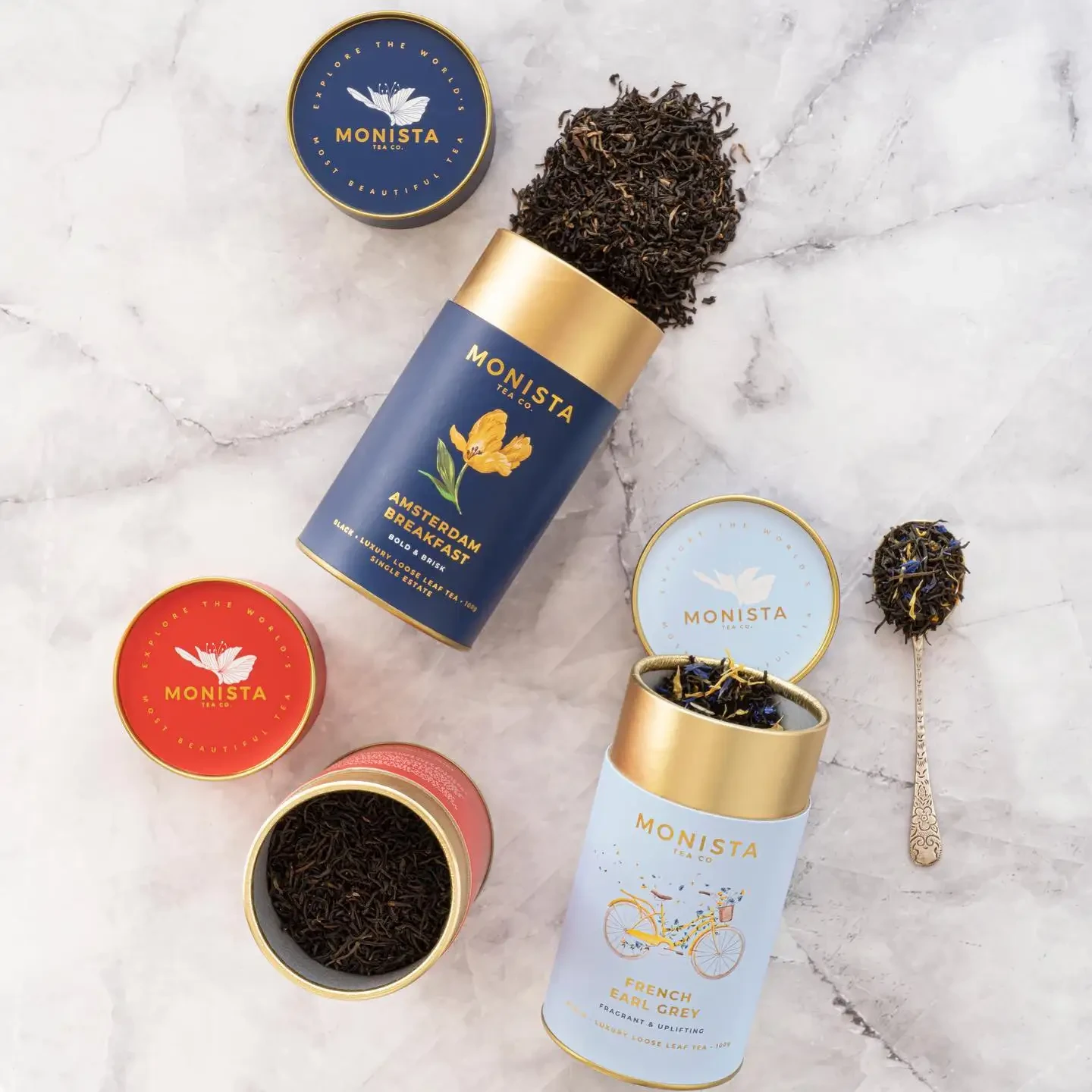
A paper tube can carry a candle safely and still be the wrong vessel for a butter cookie. Buyers comparing suppliers often begin with print quality, wall thickness and price, while the variable that decides whether a tube can hold food sits one layer deeper: what the paper is made of, and what can move from that paper into the product.
At BOYU LUXE PACK we custom-manufacture paper tubes and food packaging for brands across Europe, North America and the Middle East, and the questions that surface most in qualification audits are material and documentation questions, not cosmetic ones. This guide sets out what a procurement team should verify before a cylindrical container is approved for direct food contact.
What "Food Contact" Means in Packaging
Food contact describes any material placed in direct contact with food for storage, transport or display, including the inner surface a consumer's fingers never reach. The test is not whether the paper looks clean but whether substances migrate from the material into the food at levels the receiving market considers acceptable.
Fats, alcohols and acids draw compounds out of paper far more readily than water does, which is why the same tube that holds dry tea leaves may fail a test with oil-soaked pastry. Food contact is therefore a function of material chemistry plus the food being packed, not a status that stays valid regardless of use.
Food-Grade Material vs General Paper Packaging
The gap between a decorative paper tube and a food-grade one lies in the fiber and the additives. Recycled and de-inked stocks can retain printing inks, adhesives and optical brighteners that are acceptable for gift packaging but unsuitable against oily or moist food.
Food-contact-grade tube board is built from virgin fiber selected for low extractable content, bonded with adhesives specified for the intended use, and finished without surface agents that migrate. At our factory we keep separate stock and separate winding glue lines for general gift tubes and for food-line production, so the two never share a process.
A supplier that cannot tell buyers which of the two a quote belongs to has not separated the categories.
Paperboard and Inner Liner Selection
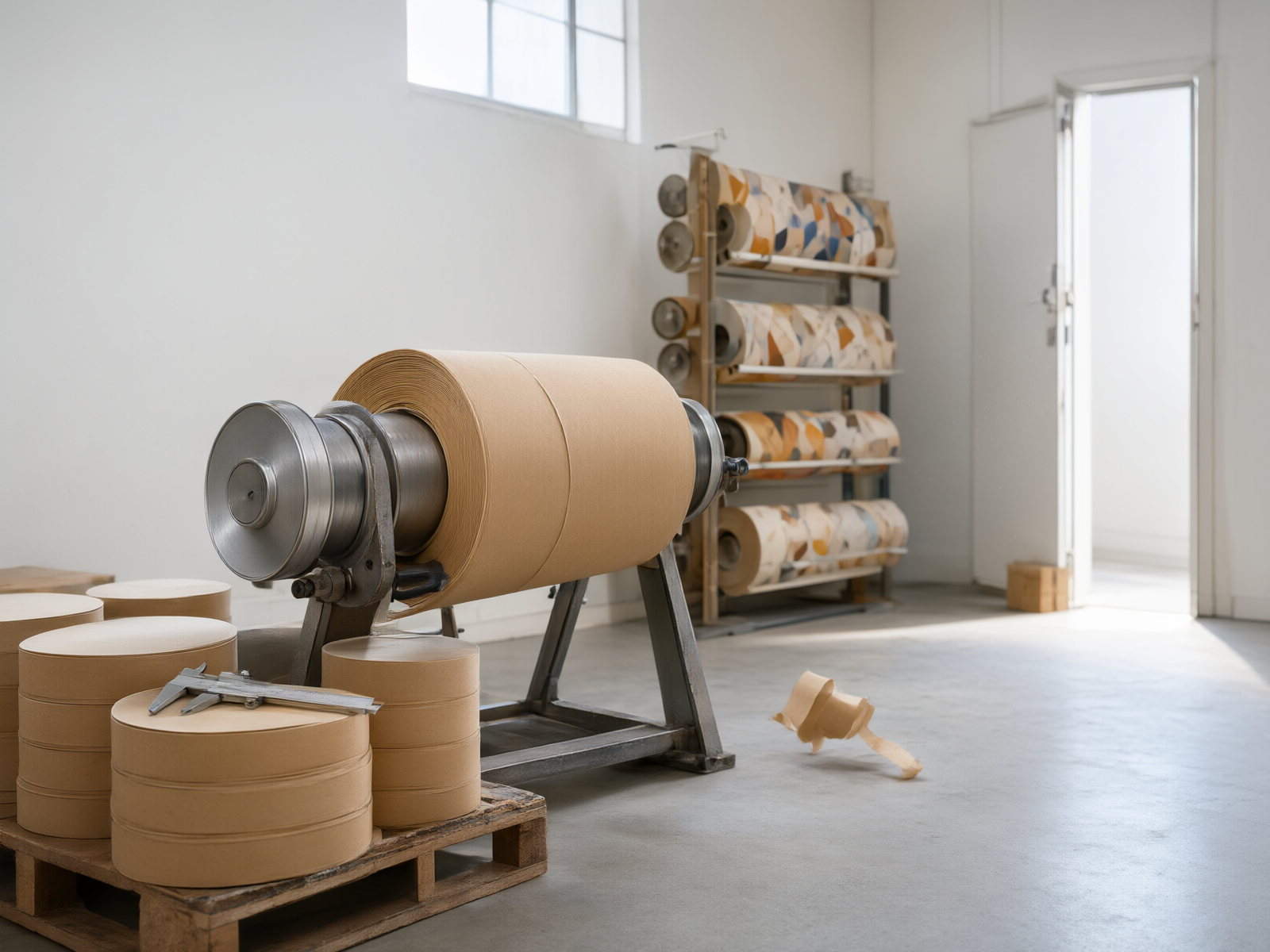
The structural wall of a paper tube comes from spiral-wound paperboard measured in grams per square metre. A tea tube in one of our recent runs used food-grade kraft board in an 85 mm diameter by 180 mm height format with metal end caps. Wall stiffness comes from paperboard weight, yet stiffness alone carries nothing onto food.
The layer that touches the product is the inner liner, and that liner is the buyer's first specification decision: unbleached virgin kraft, a bleached food-board liner, or a thin film lamination. A liner chosen for appearance rather than for migration behavior is the most common reason a structurally strong tube still fails qualification.
Moisture, Grease and Oil Resistance
Dry snacks and roasted beans survive with a barrier that slows oxygen and humidity. Cake, sushi rice, butter cookies and anything fried demand grease and oil resistance, which plain kraft does not provide once the fat exceeds the sizing on the fiber.
Water-based barrier coatings, biopolymer coatings, or foil and film laminations raise the resistance to grease and vapor; each must itself be cleared as a food-contact material, so adding a barrier introduces a second component to document. Buyers should match the barrier to the actual contents. Grease can travel along a seam that a flat sample never reveals.
Documentation and Compliance
Paperwork is where a food-contact claim becomes auditable. In the European Union the framework is Regulation (EC) No 1935/2004, which requires materials not to transfer constituents to food in a way that endangers health or alters the product, with national rules such as the German BfR recommendations defining expected performance for paper and board.
The United States addresses substances that contact food through FDA regulations. Importers generally expect a Declaration of Compliance for food contact, supported by migration test results matched to the food simulant and the contact time.
We ask buyers which simulant their customer audits, because the documents that satisfy a bakery group in the Netherlands differ from those that satisfy a coffee roaster importing into the United States.
FSC Is Not a Food-Grade Claim
Forest Stewardship Council certification is real and valuable: it traces fiber to responsibly managed forests and supports retail sustainability requirements. It says nothing about whether a paper tube can touch food.
FSC governs sourcing and chain of custody, while food-contact compliance governs chemistry and migration. A buyer who accepts an FSC logo in place of a food-contact document has confirmed the forest, not the liner. The two belong in separate columns on the specification sheet, and both must be filled.
Why Requirements Differ by Market and Application
The rules that apply shift with the destination. The European Union, the United States and Gulf markets each frame food-contact materials with their own regulations, labeling expectations and accepted food simulants, so a single technical file rarely fits every port.
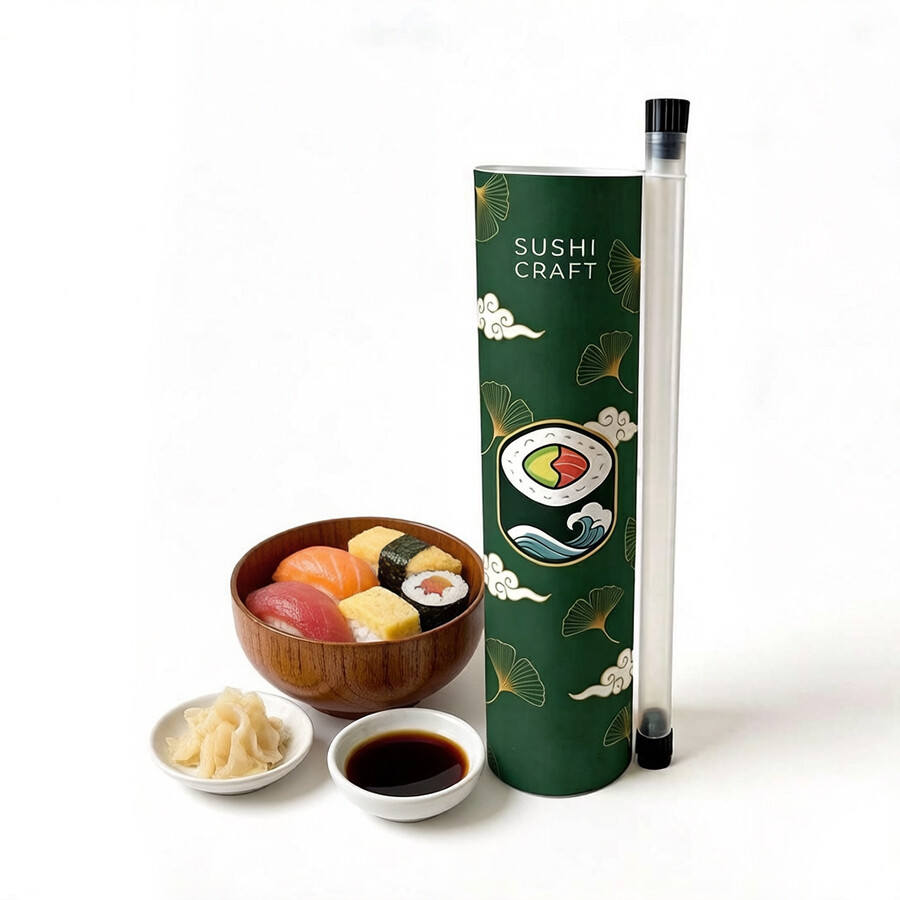
The rules also shift with the contents. A cake tube carries high-fat cream against the wall; a sushi tube meets moist rice, salt and vinegar, a combination that challenges both moisture tolerance and seal integrity; a coffee tube sees dry grounds but oils that bloom as the product sits; a tea tube values aroma retention over grease resistance; a snack tube for salted, oily crisps needs grease and vapor barriers at the seam.
At BOYU LUXE PACK each application starts from its own food profile rather than from a shared template, because one specification cannot fit five foods.
Before You Order: Specifications and Physical Sampling
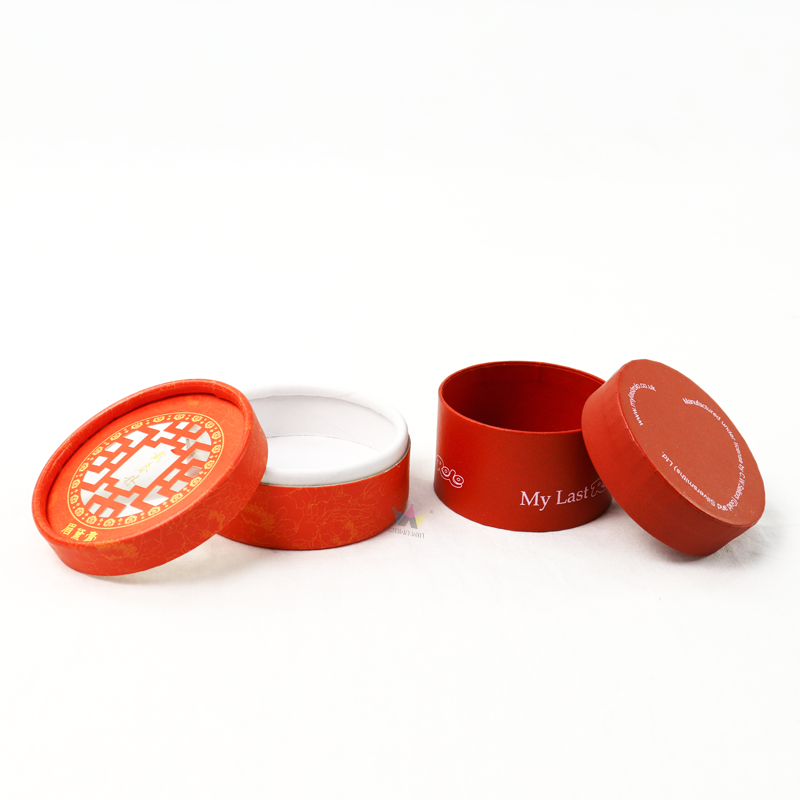
A sound qualification process requests, in writing, the paperboard weight, the inner-liner type, the bonding adhesive, any barrier coating and its compliance status, and the Declaration of Compliance for the structure being quoted. It then moves to a physical sample tested against the real product.
Greased pastry left in a sampled liner tube for the longest expected shelf contact will reveal migration or wicking that a flat sheet never shows. We ship free samples and support structural and graphic design in-house, so buyers can validate against their own products before committing to a production run rather than discovering a barrier error after the container is printed.
Frequently Asked Questions
Are all paper tubes safe for food?
No. A tube made from recycled or decorative stock with migration-prone inks and adhesives can transfer compounds into fatty or moist food. Only a structure built and documented for food contact should touch edible products directly.
Does FSC certification make a tube food-grade?
No. FSC certifies responsible sourcing and chain of custody of the fiber. Food-grade status comes from food-contact material selection and migration compliance. Request the food-contact documentation separately from any sustainability logo.
Which barrier do cake and sushi packaging need?
Cake needs grease and moisture resistance because cream and butter migrate through untreated kraft. Sushi needs resistance to moisture and to the salt and acid of seasoned rice. Both differ from a dry tea tube, so the barrier must follow the actual product.
Can you provide a Declaration of Compliance?
We supply a Declaration of Compliance for the specific food-contact structure being quoted, and we ask buyers which market and food simulant their inspection follows, so the documentation matches the destination's requirements.
How should a sample be tested before bulk production?
Place the real food product in the sampled liner tube for the longest contact time expected on the shelf, then inspect the wall for grease wicking, odor transfer and softening. Sample testing catches seam and contact failures that flat-sheet checks miss.
What information is needed to quote food-grade tubes?
The product name, the tube's diameter and height, the intended food, the order quantity and the destination market. These let us match paperboard, liner, barrier and compliance documents to the actual use case.
Send Your Specification for a Quote
The safest food-contact tube is the one whose material and paperwork were chosen for a named food and a named market, not the one with the strongest print.
To receive a solution and a free quote from our direct factory, send the product, the dimensions, the intended food application, the quantity and the destination market. Free samples and design support are available, so the specification can be tested against the real product before production begins.
Interested in Custom Paper Tube Packaging?
Send us your specifications and get a detailed quote within 24 hours.
Get a Free Quote