Custom Paper Tube Packaging: A Complete Buyer’s Guide for Cosmetic, Food & Gift Brands
A comprehensive buyer’s guide covering every decision in custom paper tube development — from fill requirements and wall construction to printing, finishing, food contact compliance, sampling and delivery.

A paper tube is a package that works as a structural component and as brand surface at the same time. The cylindrical form survives parcel handling better than most boxes and offers a printable wall that wraps the product completely.
At BOYU LUXE PACK, a direct custom packaging manufacturer in Shenzhen supplying brands across the United States, Europe and the Middle East, most specification conflicts trace back to decisions taken before the product itself was defined. This guide walks through those decisions in the order a packaging buyer should make them.
1. Start From the Fill, Not the Tube
The first requirement document describes the contents. Product dimensions, weight, fragility, retail handling versus e-commerce transit, and the opening experience customers expect all feed the structure. A small perfume bottle presented in a tube needs a fixed axis so that foil and embossing align with the bottle’s front face; loose-leaf tea in an 85 mm diameter tube needs protection against aroma loss and ambient moisture.
Defining these conditions before a quote request eliminates a revision cycle, which is the most common cause of delayed launch dates.
2. Diameter, Height and Wall Thickness
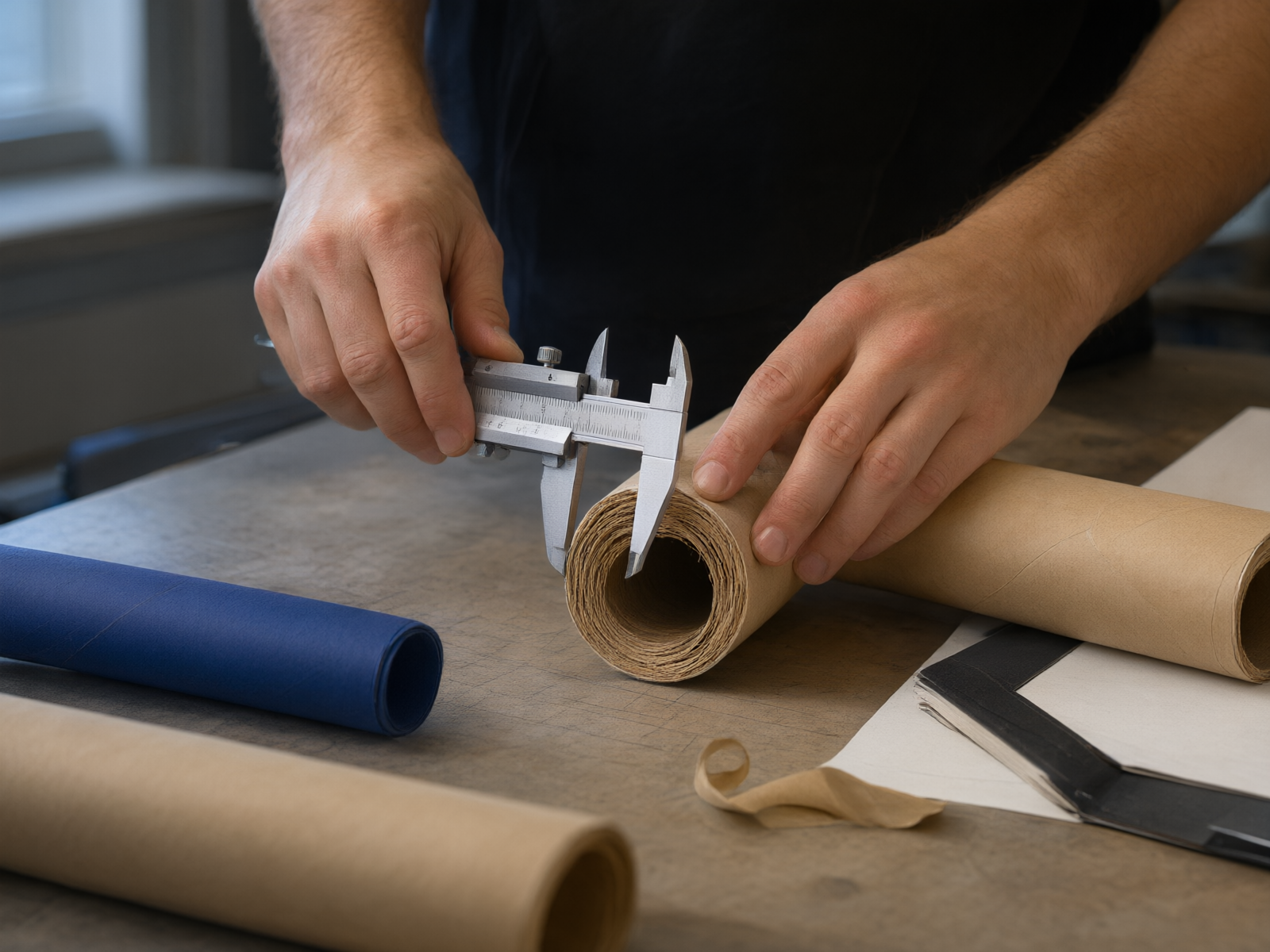
Interior diameter follows the largest product cross-section plus a clearance allowance set by the insert; height follows the product plus closure depth. Wall thickness is the structural variable that governs crush resistance. Tubes are built by spiral-winding paperboard plies, and wall thickness is the result of board weight multiplied by number of plies.
A thicker wall resists denting but raises material cost and shipping volume, since outer diameter grows on both sides. At BOYU LUXE PACK the practical check at sampling is simple: the tube must survive hand compression and a packed transit test without visible deformation, and outer dimensions must be confirmed against the customer’s carton and pallet configuration.
3. Paperboard Core and Wrapping Paper
The core carries strength; the wrap carries the brand. Cores are produced from virgin or recycled kraft board, and the grade depends on whether the tube contacts food. Wrapping paper forms the visible surface and includes kraft for a natural look, uncoated and textured stocks for premium cosmetics, and specialty papers for gift programs.
A recent artisan tea program was built on food-grade kraft with metal end caps and three-color flexographic printing, while a skincare project used chipboard rigid components printed in CMYK with Pantone gold for the brand accent. Material samples confirm texture and color before artwork is locked.
4. Food Contact Versus Cosmetic Secondary Packaging
A tube holding dry food directly to its inner wall is a food package, and the material selection narrows accordingly: food-grade paperboard plus a barrier, commonly a PE or foil laminated liner or a separate inner pouch. Tea, spice, coffee and bakery programs fall in this category, and the barrier specification needs to be stated at quote stage rather than discovered at audit.
Cosmetic and perfume tubes are secondary packaging without direct contact, so moisture resistance becomes a question of warehousing climate rather than food safety, which expands the decorative material options and reduces liner cost.
5. Printing Options
Offset printing delivers photographic quality and supports spot colors on coated wraps, and it is the standard route for detailed cosmetic artwork. Flexographic printing prints reliably on kraft and uncoated surfaces and suits large runs of one- to four-color designs, which is why it is common on food tubes.
Digital printing removes plate cost and fits short runs, versioned artwork and test-market batches. Pantone references keep color consistent across reorder cycles in a way that four-color process reproduction does not guarantee.
6. Foil Stamping, Embossing, UV and Lamination
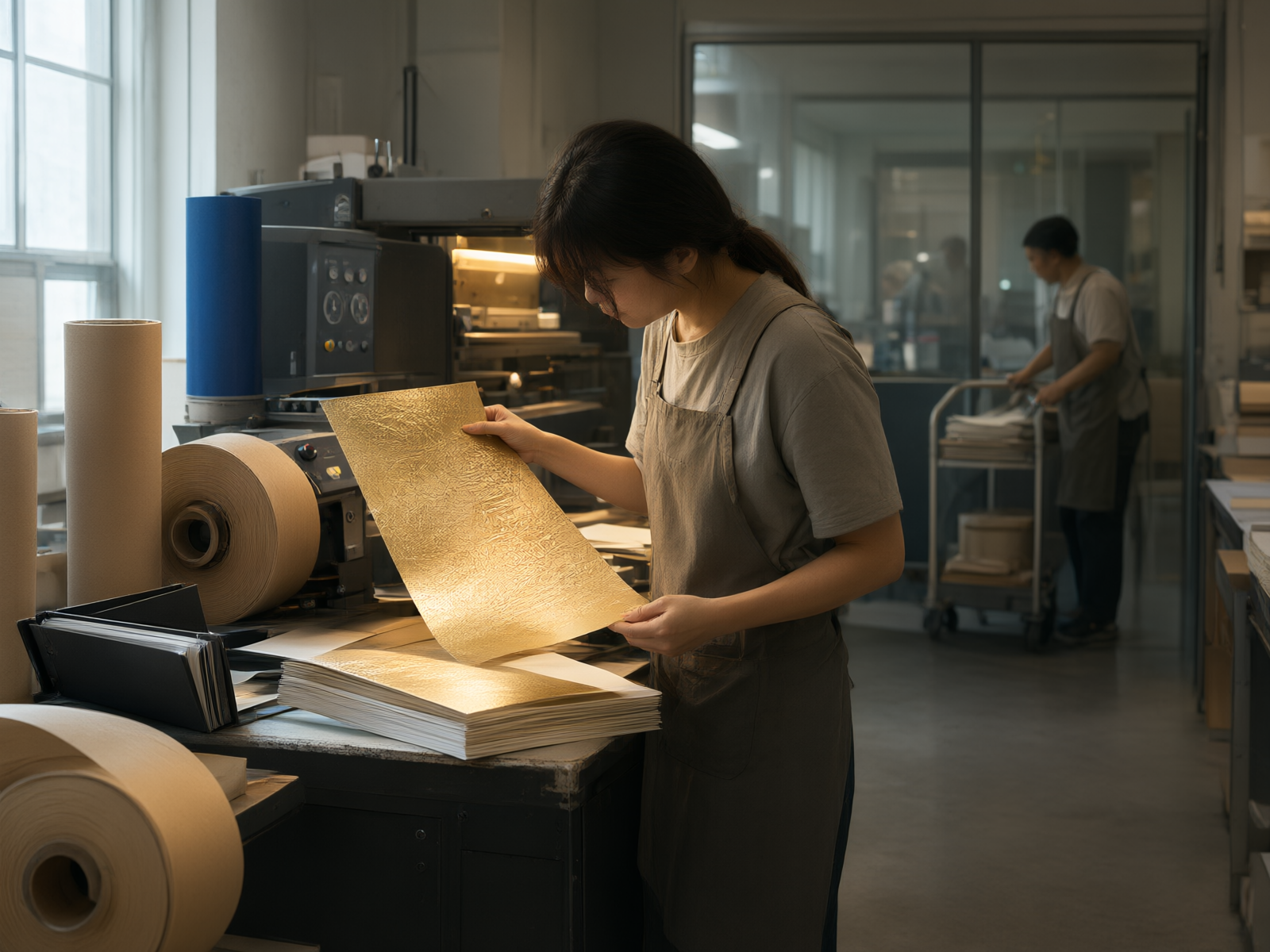
Hot foil stamping applies metallic or pigment foil with heated dies and is the first finish buyers should price early, because the die and its registration depend on the print layer underneath. Embossing and debossing add depth without ink, reading as tactile rather than visual luxury.
Gloss and matt lamination protect the paper surface and define shelf reflection; spot UV accents elements on top of a laminated wrap. Each finish adds tooling and per-thousand cost, and each interacts with the surface below it, so the full stack — wrap, print, lamination, foil, emboss — gets confirmed on a single physical sample.
7. Lid and Closure Options
Closures include paper end caps, metal caps with or without a perforated seal, friction-fit lids, screw-thread constructions and presentation lids on gift tubes. The controlling variable is fit tolerance, tested at sampling: too loose and the lid falls off in transit, too tight and the unboxing experience fails.
Resealability decides whether the tube is a single-use presentation package or a household container, which matters most in food programs where the customer keeps the tube after the first opening.
8. Inner Inserts
Inserts hold product in the position created for the lid and finish. Foam and EVA carry cosmetics and glass safely; plastic blister trays position components precisely; folded paper cradles suit products that do not need suspension. Inserts add tooling where the shape is bespoke, plus assembly labor per unit at the factory.
A gift set with multiple items typically needs a single insert plate rather than several loose components, since one assembly step is cheaper and more consistent than three.
9. Sampling and Quality Inspection
A pre-production sample built from the confirmed materials, print and finishing stack is the checkpoint before bulk begins. Dimensions, wall thickness, color against approved proofs, lid retention and wrap alignment are verified on it.
In production, inspection runs through winding, printing and wrapping, assembly and packing, which is how a direct factory keeps defect rates off the customer’s dock. Stock samples are available on request so that buyers can evaluate structure and paper texture before committing artwork.
10. MOQ, Production and Delivery
Low MOQ options start at 200 pieces on standard structures, and bespoke diameters or closures may shift that number depending on tooling. Sampling runs ahead of bulk production, and total lead time combines plate and die preparation, the confirmed sample cycle and the production queue.
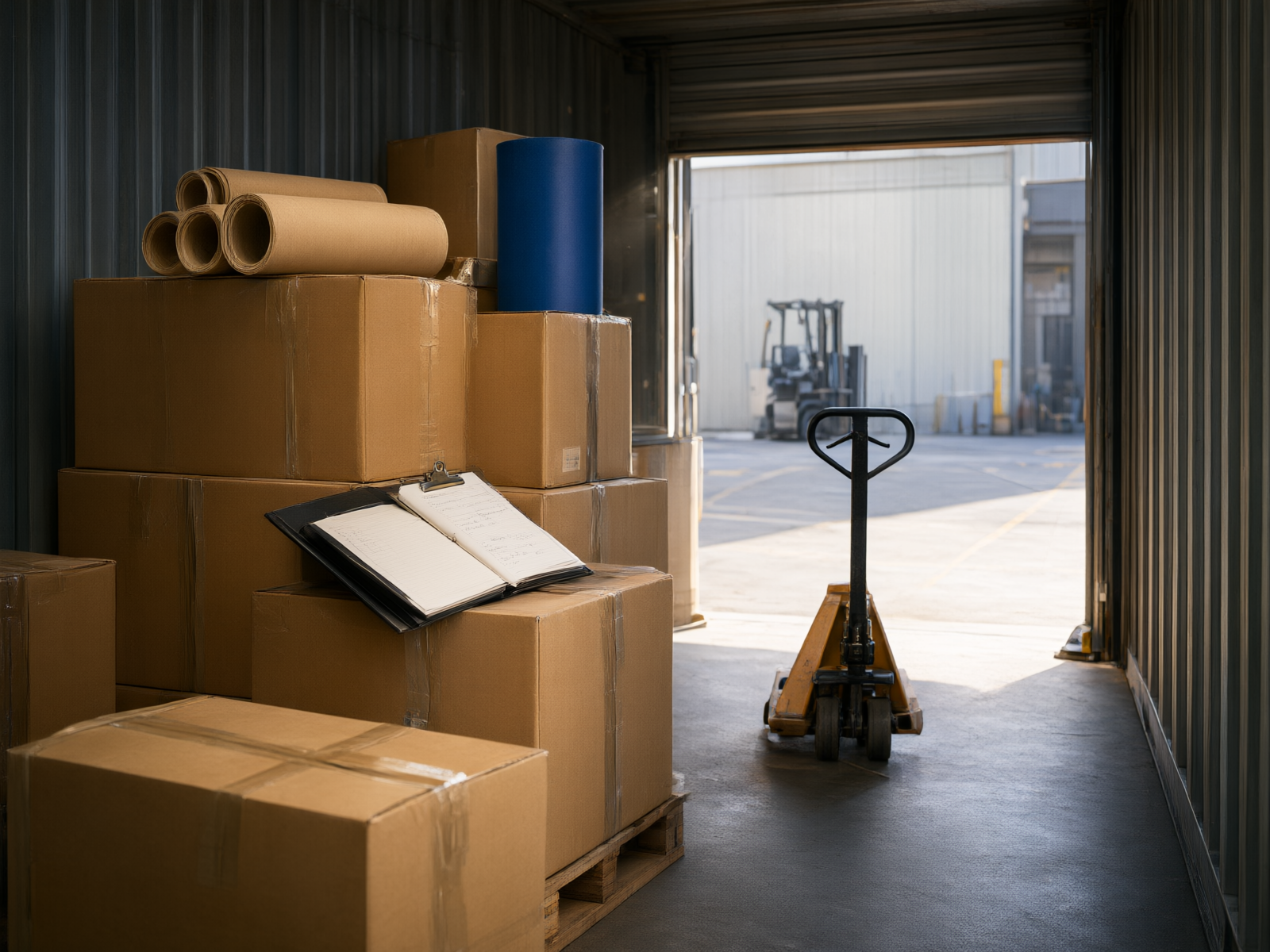
Finished tubes ship in export cartons on pallets by sea, air or express door-to-door toward the USA, Europe, the Middle East and Southeast Asia. Because cylindrical packages are mostly trapped air, outer dimensions and pallet stacking decide landed cost as much as unit price does, and both numbers should appear in the quotation.
Frequently Asked Questions
What MOQ applies to custom paper tubes?
Standard structures begin at 200 pieces; custom diameters, threaded closures or bespoke inserts can change the figure, and the quote states it explicitly.
Can a paper tube hold food safely?
Yes, with food-grade paperboard and an appropriate barrier liner or inner pouch. The barrier choice belongs in the requirement list at the start of the project.
Can customers order samples before bulk production?
Stock samples are available for material and structure evaluation, and pre-production samples are built from the exact materials and finishing confirmed for the order.
Do you provide design support?
Free design support covers structural layout and dielines alongside the customer’s graphic artwork, so print files are validated before plate production.
Which printing method suits kraft packaging?
Flexographic printing performs consistently on kraft and uncoated wraps at production volume, while offset is selected when the artwork requires fine process detail or gradients.
Is a paper tube suitable for luxury cosmetics?
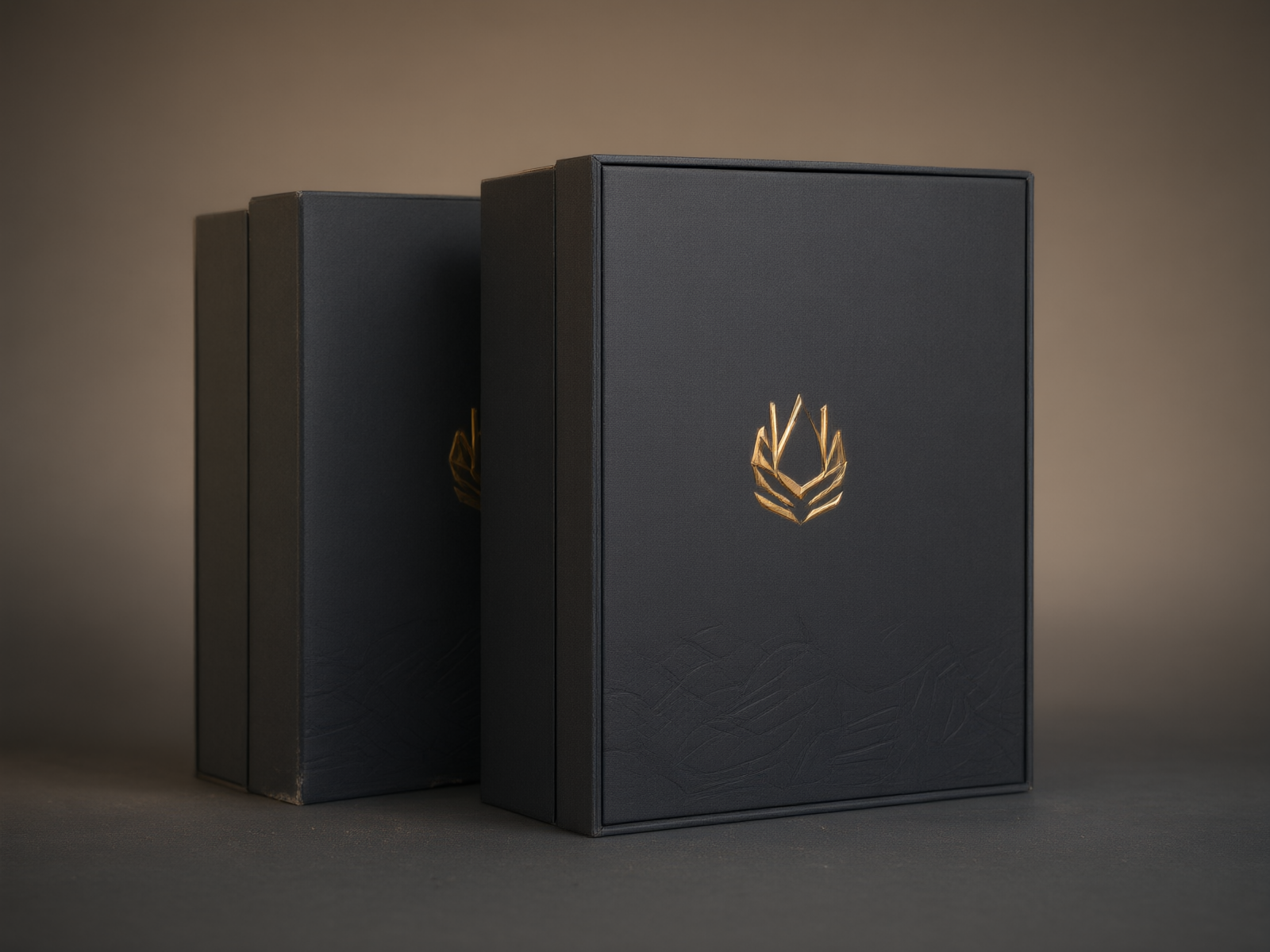
Rigid construction, textured wrap, foil and embossing are the elements that carry premium presentation in this format, and the same finishing stack used for rigid gift boxes applies to it.
Request a Custom Paper Tube Quotation
The reliable input for a first quotation is three items: product dimensions with target interior diameter and height, order quantity including launch and forecast reorders, and current artwork or reference images. Brands developing concepts without artwork can send samples of what is on the market and work from there.
BOYU LUXE PACK produces custom paper tubes, rigid gift boxes, paper bags and printed cosmetic and food packaging as a direct factory, with structural design support, sampling, multi-stage quality inspection and global shipping included in the process. Send dimensions, quantity and artwork to receive a quotation and a materials recommendation for the product.
Interested in Custom Paper Tube Packaging?
Send us your specifications and get a detailed quote within 24 hours.
Get a Free Quote