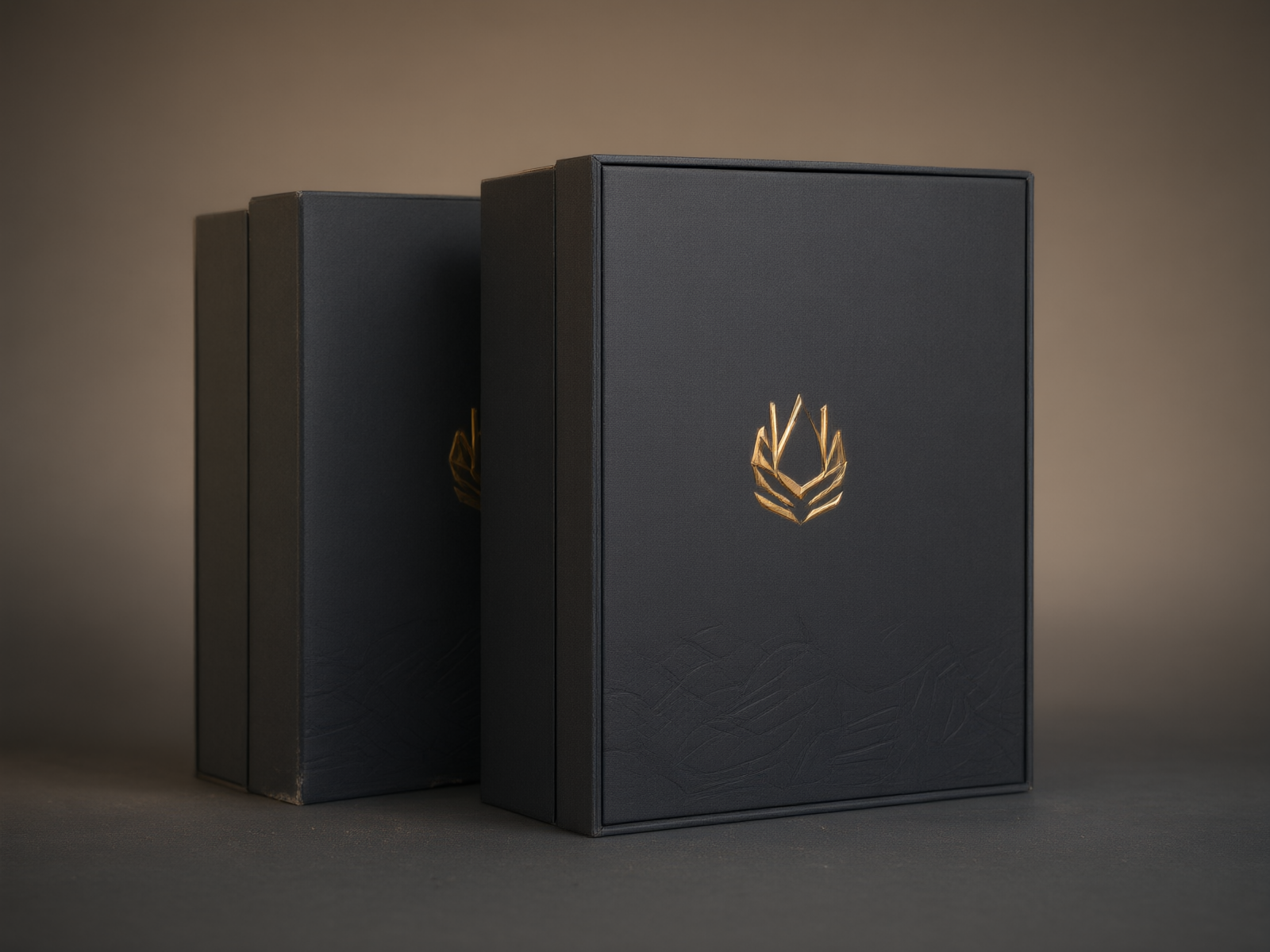
Custom Packaging Production Standards: From Artwork Approval to Final Delivery
A stage-by-stage breakdown of the written criteria behind every custom packaging order — from structural design and artwork specification, physical sampling, production, multi-stage quality control, to export packing and global delivery.
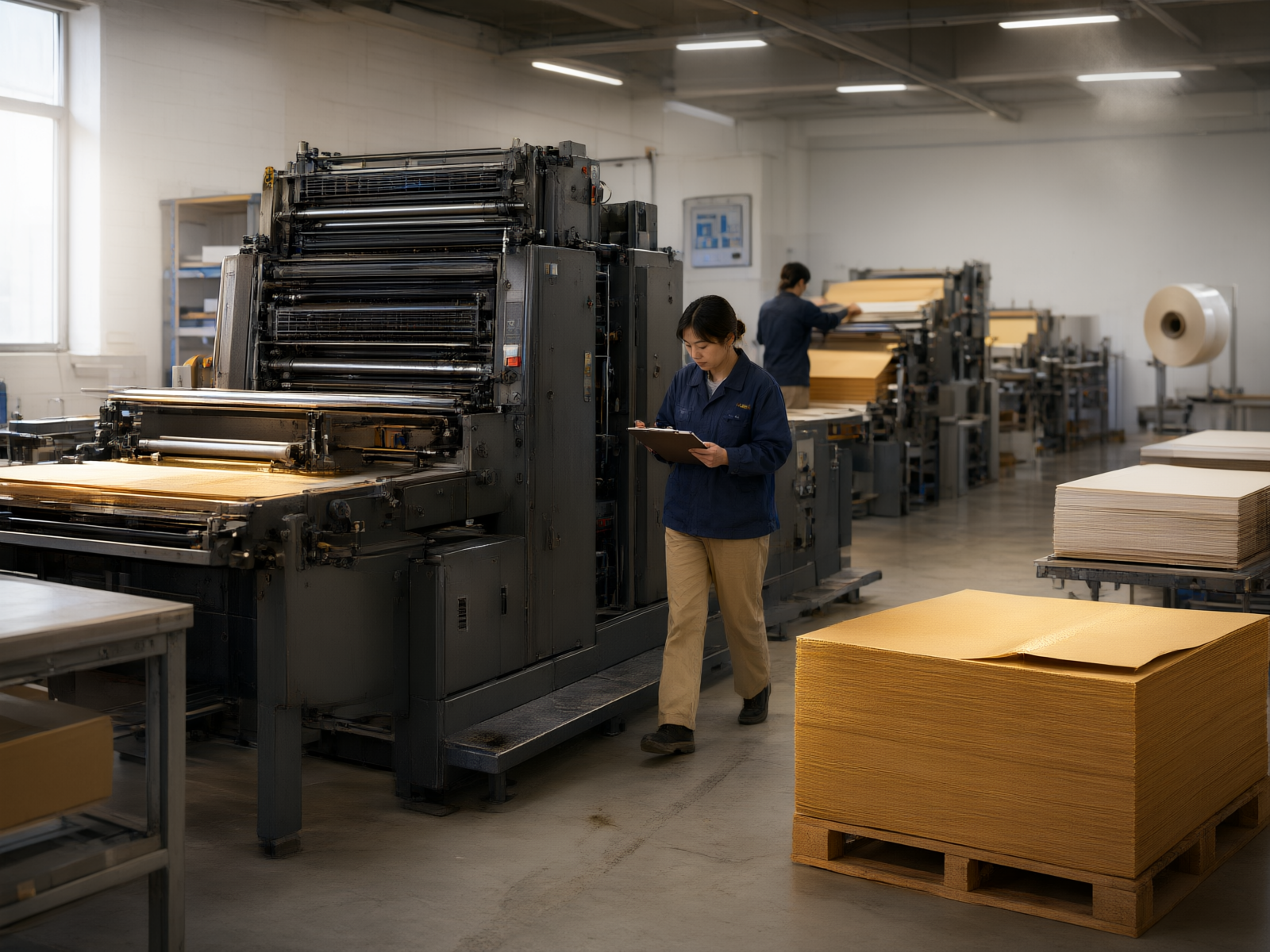
A brand’s packaging arrives at a distribution center, passes through three hands, and lands on a retail shelf or a customer’s doorstep. Along that path, every inconsistency — a color shift, a misaligned fold, a corner that dents under stacked weight — erodes the perception the brand spent years building. Custom packaging is not a commodity transaction. It is a manufacturing process that demands defined standards at every stage, from the first dieline to the last pallet wrap.
At BOYU LUXE PACK, we run rigid boxes, paper tubes, gift boxes, and paper bag production under a fixed sequence: Design, Sampling, Approval, Production, Quality Control, Packing, Shipping. Each stage has written criteria. Below is what those criteria look like in practice and why they matter to procurement teams sourcing from overseas manufacturers.
Structural Design and Artwork Specification
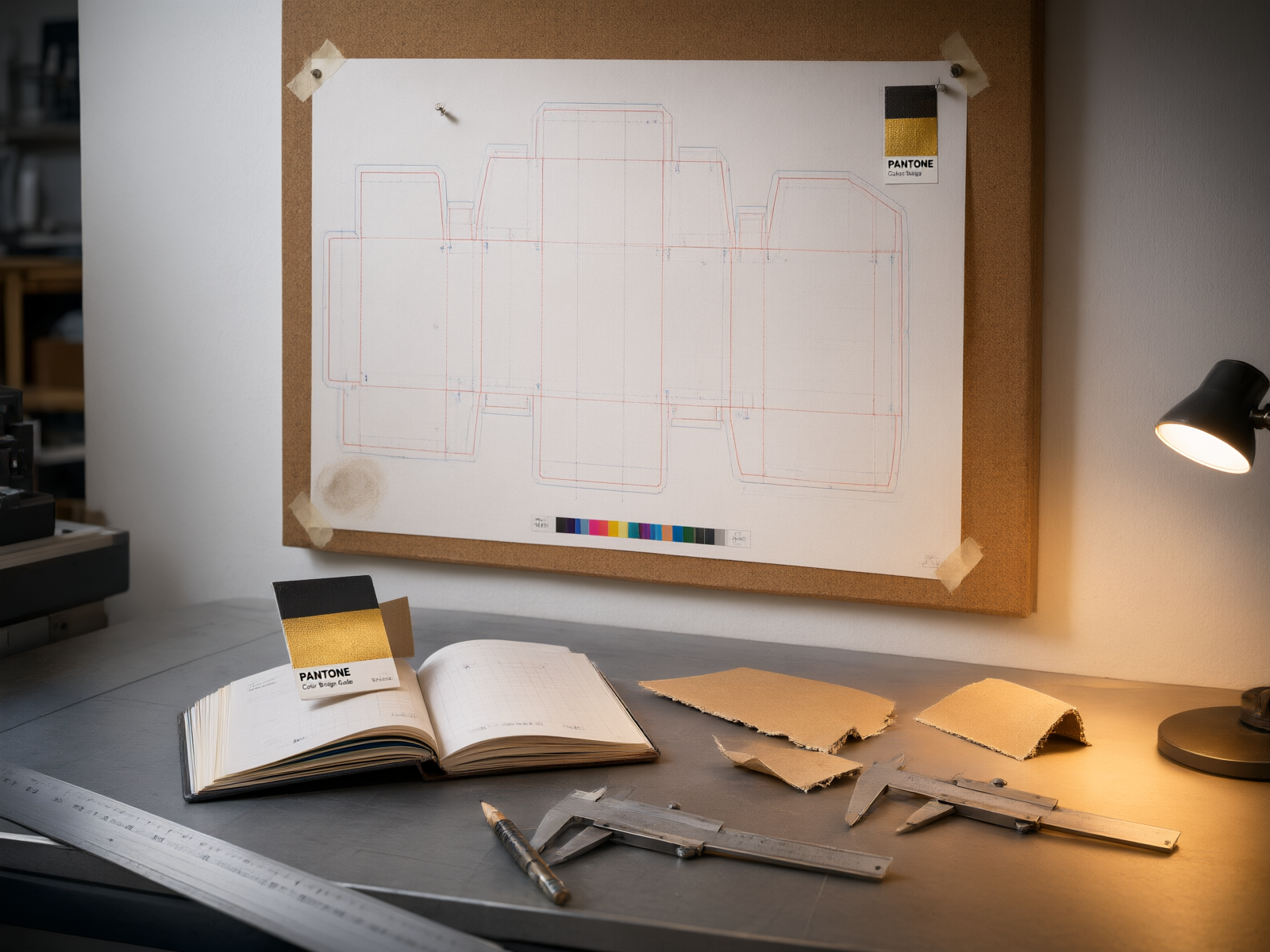
Before any press touches paper, the packaging must be engineered. Structural design determines how a box folds, how a tube telescopes, how a magnetic closure aligns. We produce dielines (flat templates showing all cut, crease, and glue lines) from the buyer’s product dimensions and the intended assembly method.
Two parameters drive the structural plan: paper weight and board type. A rigid gift box for a luxury skincare set requires 1200gsm chipboard wrapped in coated art paper, while a folded carton for a bakery line runs on standard board. The dieline specifies the grain direction of the paper, the bleed area, and the fold tolerance. We lock these values before moving to graphic design.
On the graphic side, we require vector artwork in AI or PDF format, with fonts outlined and Pantone color calls separated from CMYK layers. If a buyer’s design file lacks spot color separations, we reassign them during this phase and flag the change in writing. Color management errors introduced at artwork stage propagate through every subsequent step.
Physical Sampling
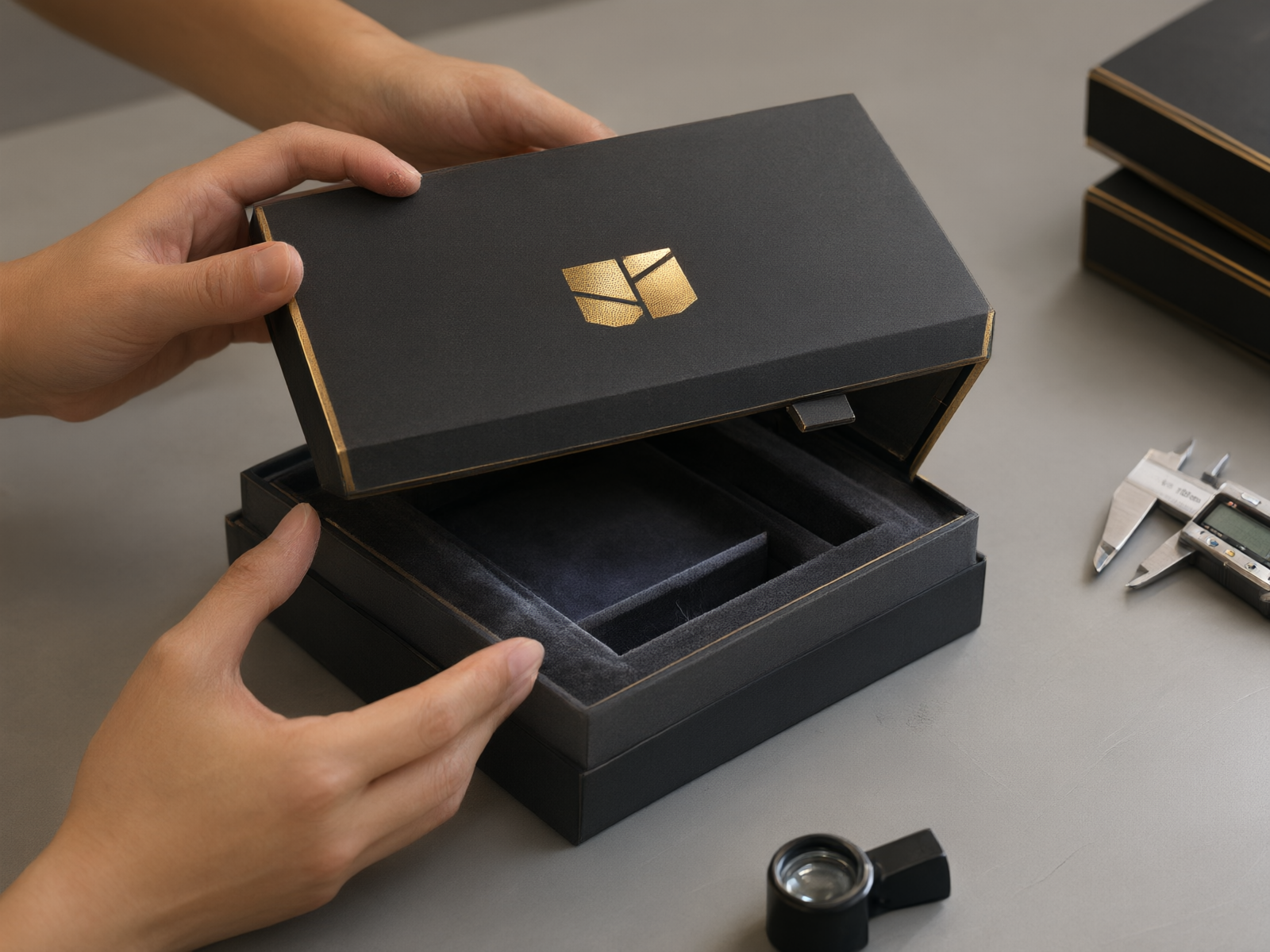
A digital proof confirms layout; a physical sample confirms behavior. We produce one or two pre-production samples at scale, using the exact materials and finishing methods specified for the run. For a perfume presentation box, that means the same 1500gsm chipboard, the same textured paper wrap, the same hot foil stamp die and embossing plate.
During sampling, we evaluate four things the buyer cannot verify from a screenshot: the opening force on a magnetic closure (typically calibrated to hold the lid shut under 5 G but release cleanly with a thumb), the registration accuracy between CMYK and a Pantone overlay (within 0.3mm), the adhesion strength between wrap paper and board (tested by peeling a corner under constant force), and the finished dimension variance compared to the dieline target (tolerance ±1mm for boxes under 300mm, ±1.5mm above that).
The buyer receives the sample, approves or requests adjustment, and signs off in writing. No bulk order enters production without a documented approval referencing a physical sample date.
Production
Once a sample is approved and a purchase order is confirmed, the order enters a scheduled production slot. Our minimum order quantity starts at 200 pieces, which means smaller brands can run the same quality standards as large-volume accounts; the difference is batch scheduling, not inspection protocol.
The print phase splits into two common methods. Offset lithography handles CMYK and spot color work with line-screen resolutions up to 175 LPI, suitable for gift boxes, rigid boxes, and paper bags with photographic or multi-color artwork. Flexographic printing covers simpler color counts for food-grade kraft paper tubes and bakery boxes where ink coverage is lower but substrate compatibility matters more.
Finishing operations follow the press: matte or gloss lamination, hot foil stamping (gold, silver, holographic), spot UV coating, and debossing or embossing. Each finishing step adds a pass through a dedicated machine, and each pass has its own calibration check before the batch is released to the next station.
Quality Control
We run multi-stage inspection rather than a single end-of-line check. The first stage happens at the press: the operator pulls sheets every 30 minutes for color density and registration verification. The second stage happens after finishing: inline inspection for lamination bubbles, foil gaps, and coating unevenness. The third stage happens at assembly and packing: random sampling of finished units checked against the approved pre-production sample for dimension, closure function, and surface appearance.
A lot is released only when all three stages pass. If a sub-standard rate exceeds two percent at any stage, the affected batch is quarantined and reworked or scrapped rather than shipped with a marginal defect.
Packing and Global Delivery
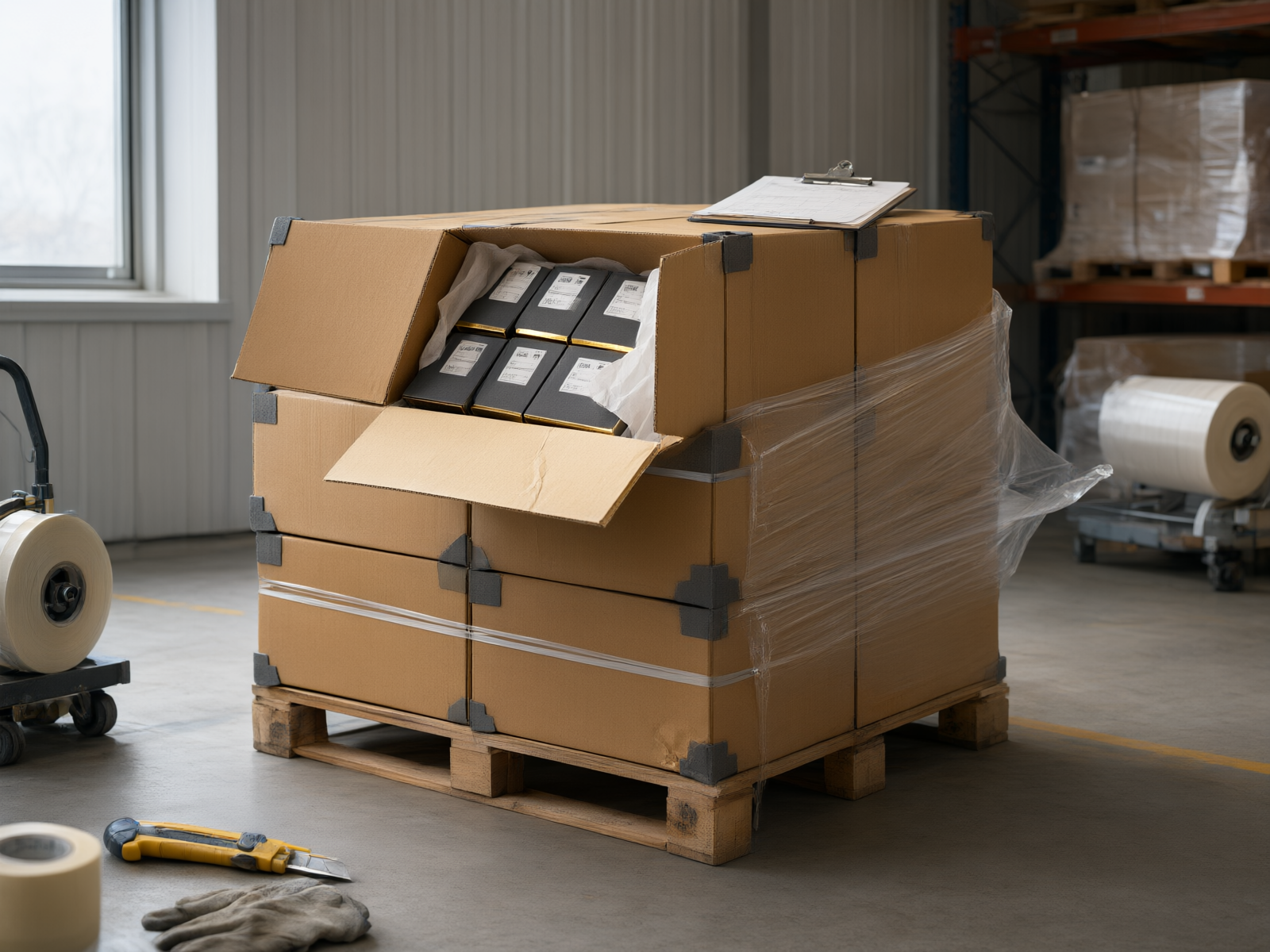
Export packing is a distinct process from domestic shipping. Each case is corrugated, corner-reinforced, and shrink-wrapped to resist compression during long-haul transport. Pallets are banded and, for ocean freight, lined with moisture-barrier material. We mark carton dimensions, net and gross weight, and product codes so the receiving warehouse can cross-check against the packing list within minutes.
Shipping options cover sea freight (for full-container or LCL orders with 25–35 day transit to most US and European ports), air freight (7–12 days), and express courier (door-to-door within 5 business days for smaller consignments). The packing spec adjusts to the chosen mode.
A Standard Worth Auditing
Custom packaging failures rarely originate at one station; they accumulate across small deviations in material, calibration, and inspection discipline. Defining what gets checked, measured, and recorded at each stage converts packaging from a hoped-for outcome into a verifiable output. That is the standard we hold ourselves to, and it is the standard any serious supplier should be able to document on request.
Interested in Custom Paper Tube Packaging?
Send us your specifications and get a detailed quote within 24 hours.
Get a Free Quote