Custom Cosmetic Gift Boxes: Packaging Guide for Skincare & Beauty Brands
A packaging guide for skincare and beauty brands covering box construction matching, structural options, insert design, premium finishing and sourcing considerations for custom cosmetic gift boxes.
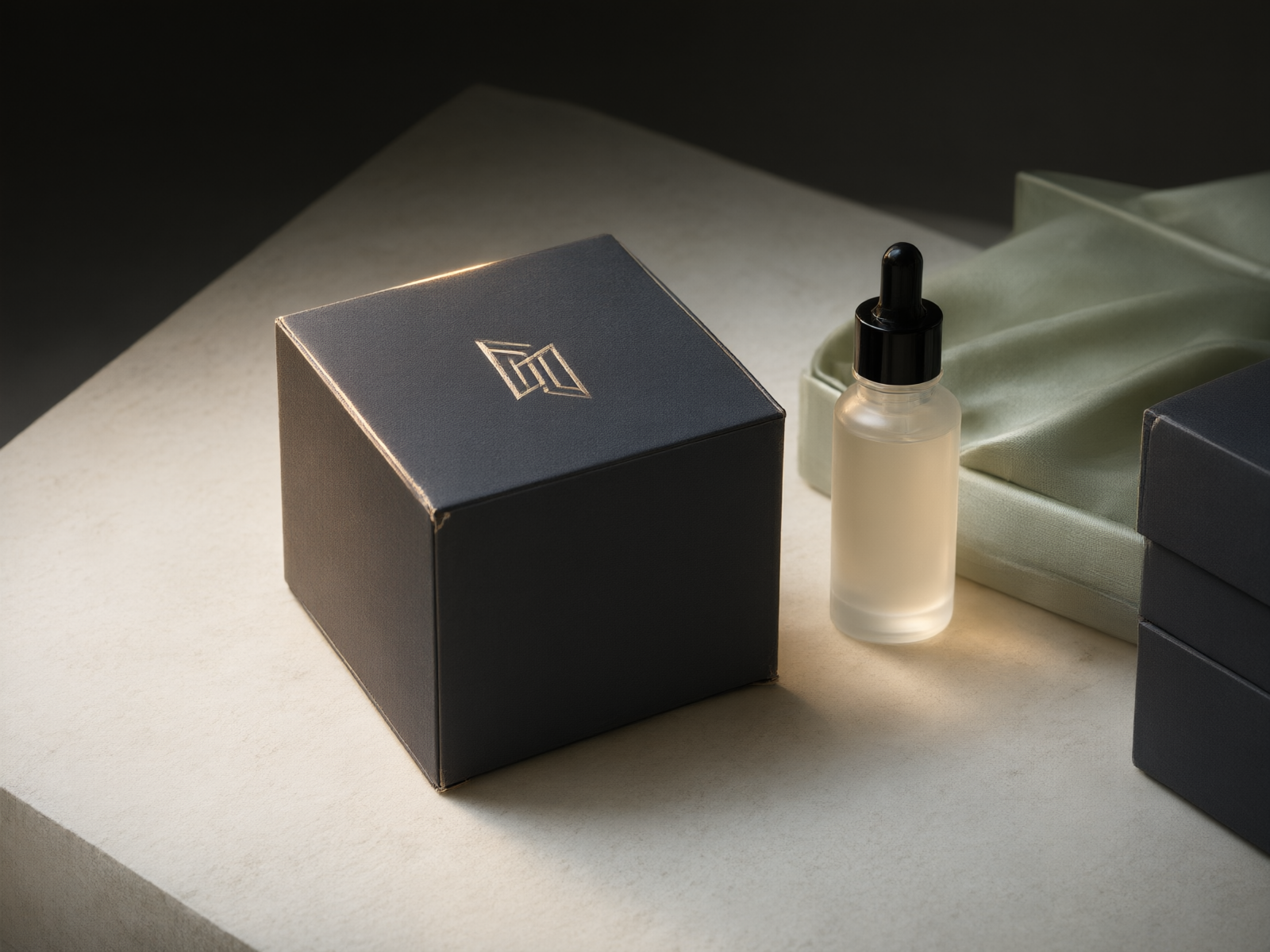
In the beauty and skincare industry, packaging is the first tangible interaction a consumer has with a brand. Market research consistently shows that over 70% of purchase decisions in cosmetics are made at the point of sale, with presentation playing a decisive role. For skincare and beauty brands, the right custom gift box is not merely a container—it is a brand statement, a retail differentiator, and a tool that directly influences perceived product value.
Why Cosmetic Packaging Boxes Drive Brand Equity
Consumers evaluate cosmetic products through visual and tactile cues before reading a single ingredient label. Heavy-set paper stock, precise die-cutting, and consistent registration on printed surfaces communicate manufacturing discipline. When a brand invests in packaging that reflects its formulation philosophy, the shelf or unboxing experience reinforces trust at every touchpoint.
For B2B buyers sourcing packaging for multiple product lines—serums, creams, lip balms, or full gift sets—customization ensures each format gets structural integrity tailored to its contents while maintaining a unified brand identity across the collection.
Matching Box Construction to Product Type
Different beauty categories impose different demands on cosmetic packaging boxes.
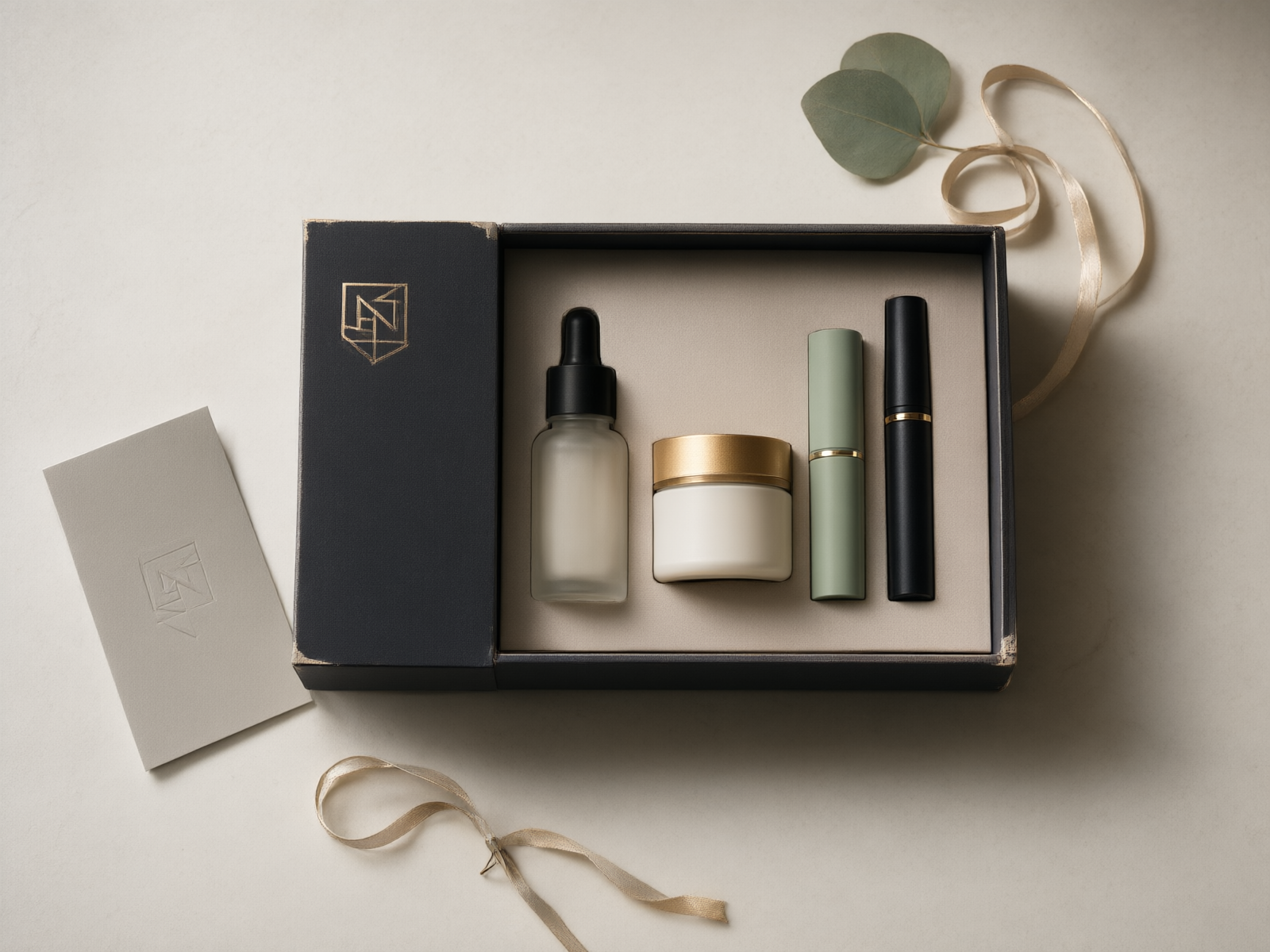
Serum bottles are tall, narrow, and often glass. They require rigid boxes with custom-insert cavities (EVA foam, die-cut pulp, or flocked slots) to prevent sideways movement during transit. Cream jars, being wider and shorter, perform well in boxes with a snug base and minimal vertical clearance. Lip balm tubes and applicators are light and prone to tipping; multi-cavity inserts with individual slots or a combination of slot-and-flap design keep each unit upright.
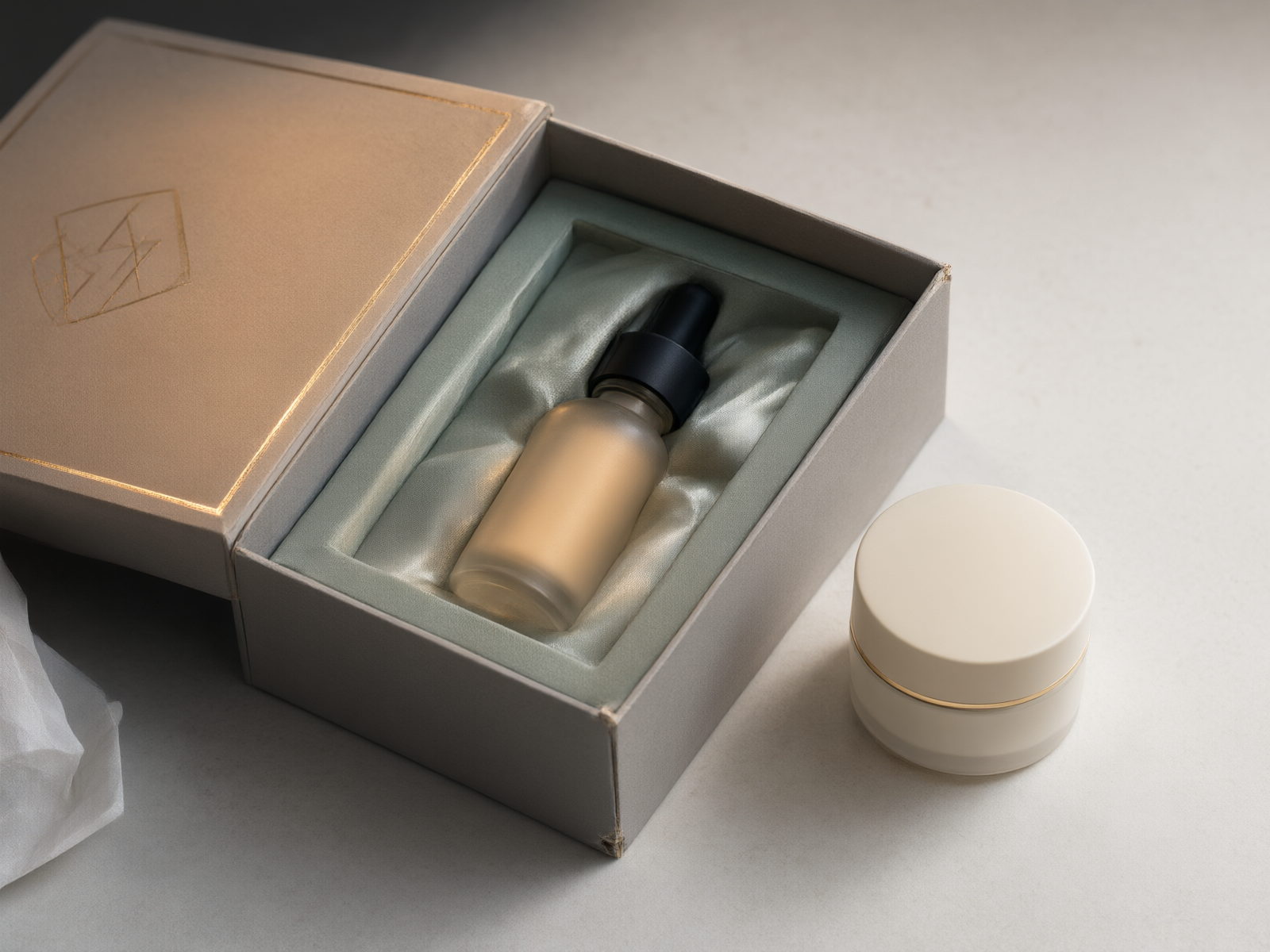
Makeup products—compacts, palettes, eyeshadow sets—vary widely in thickness, which makes adjustable or layered inserts necessary for gift sets that combine items of unequal height.
The Structural Options That Matter
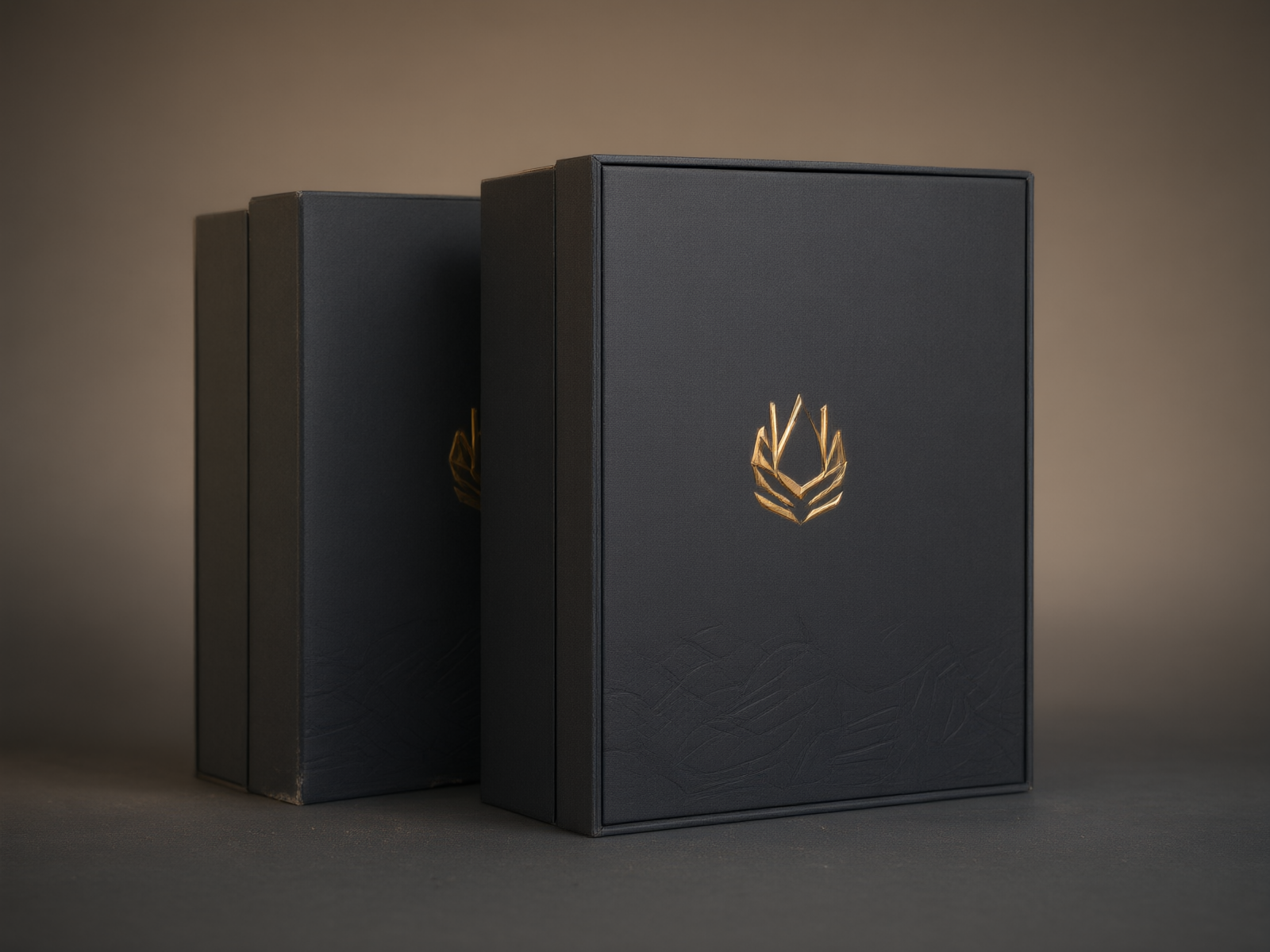
Rigid gift boxes have become the default choice for skincare gift boxes in the premium segment. Built from 1200gsm or thicker chipboard wrapped in art paper or specialty stock, they hold their shape under repeated handling and convey substance the moment a consumer lifts the lid.
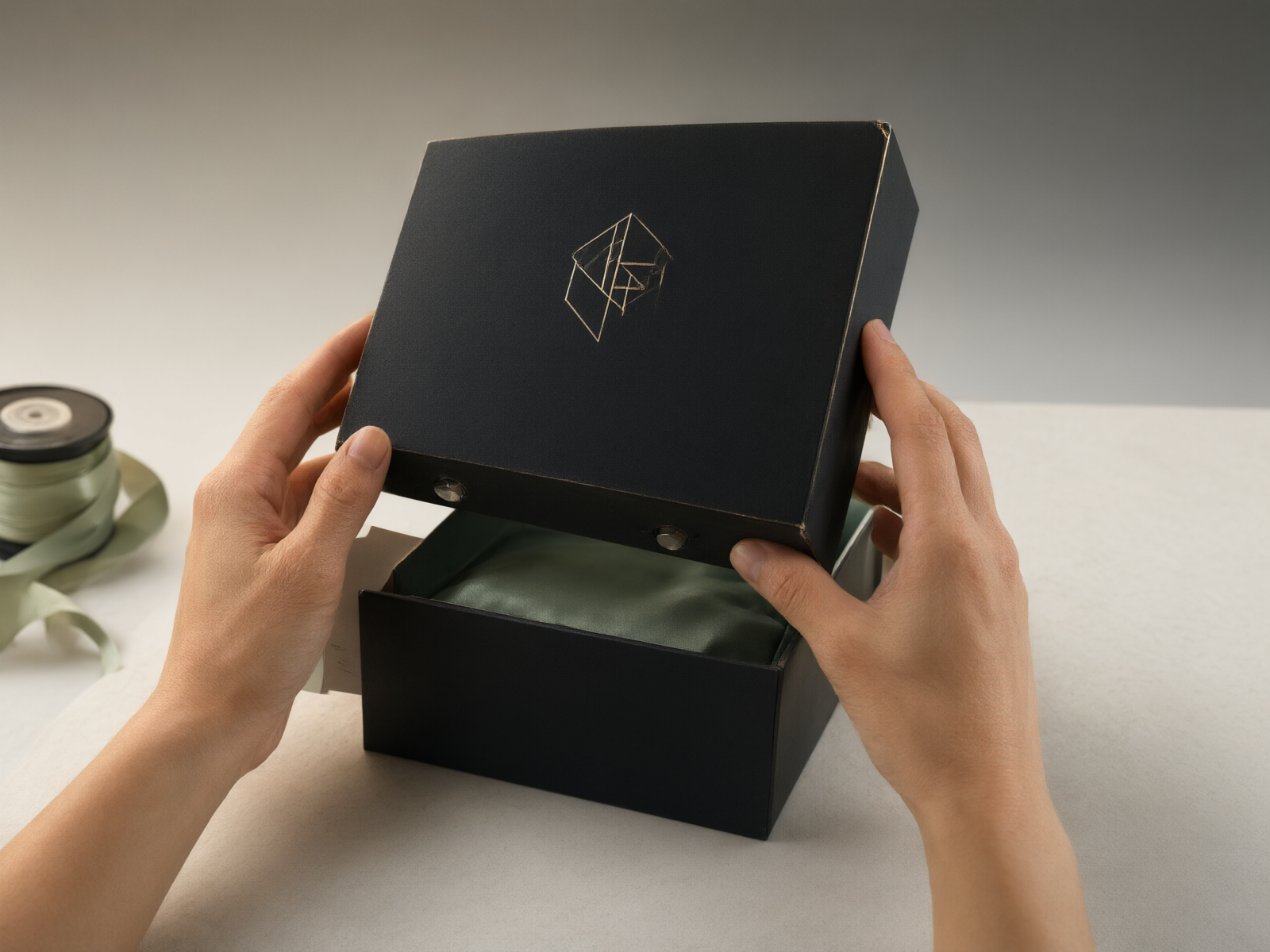
Magnetic closure boxes add a functional and sensory element. The soft snap as the lid engages creates a deliberate, ritualistic opening moment that works particularly well for perfume sets and luxury skincare kits. For brands with larger production volumes or retail constraints, tuck-end folding boxes with a ribbon pull-tab offer a lighter alternative while preserving unboxing theater.
Window cut-outs, finished in clear PET film, allow consumers to see the product without opening the package. This is relevant for makeup retailers and e-commerce sellers who need shelf visibility or a clear product thumbnail without unpacking. Window placement, size, and film depth should be specified early in the structural design phase to avoid weak points in the box wall.
Insert Design: Organization Meets Presentation
Inserts are frequently undervalued in packaging briefs, yet they determine how products sit, stack, and present. A well-engineered insert solves three problems simultaneously: shock absorption during shipping, visual arrangement on retail display, and an intuitive lay-flat experience when the consumer opens the box.
Common materials include die-cut EVA foam for high-end rigid boxes, molded pulp for an eco-forward positioning, and printed card compartments for mid-range sets. Layered inserts—where upper and lower trays hold different product sizes—accommodate serum-plus-cream plus-accessory configurations typical in gift sets.
In a project we delivered for a luxury skincare gift set, a rigid box (320×240×90mm) was constructed with 1200gsm chipboard, CMYK offset printing with Pantone Gold accents, hot foil, spot UV, and a satin lining over a die-cut insert. Each product sat in its own cavity, and the lid engaged with hidden magnets to present a clean exterior with no visible mechanics.
Premium Finishing: The Detail Layer
Print quality and structural engineering form the foundation; finishing options provide the differentiation that separates a premium cosmetic box from a standard one. Hot foil stamping (gold, silver, rose gold) applies metallic leaf to selected areas, creating focal points for a brand mark or product name. Embossing or debossing adds dimensionality to surfaces without ink, making a logo perceptible by touch before sight.
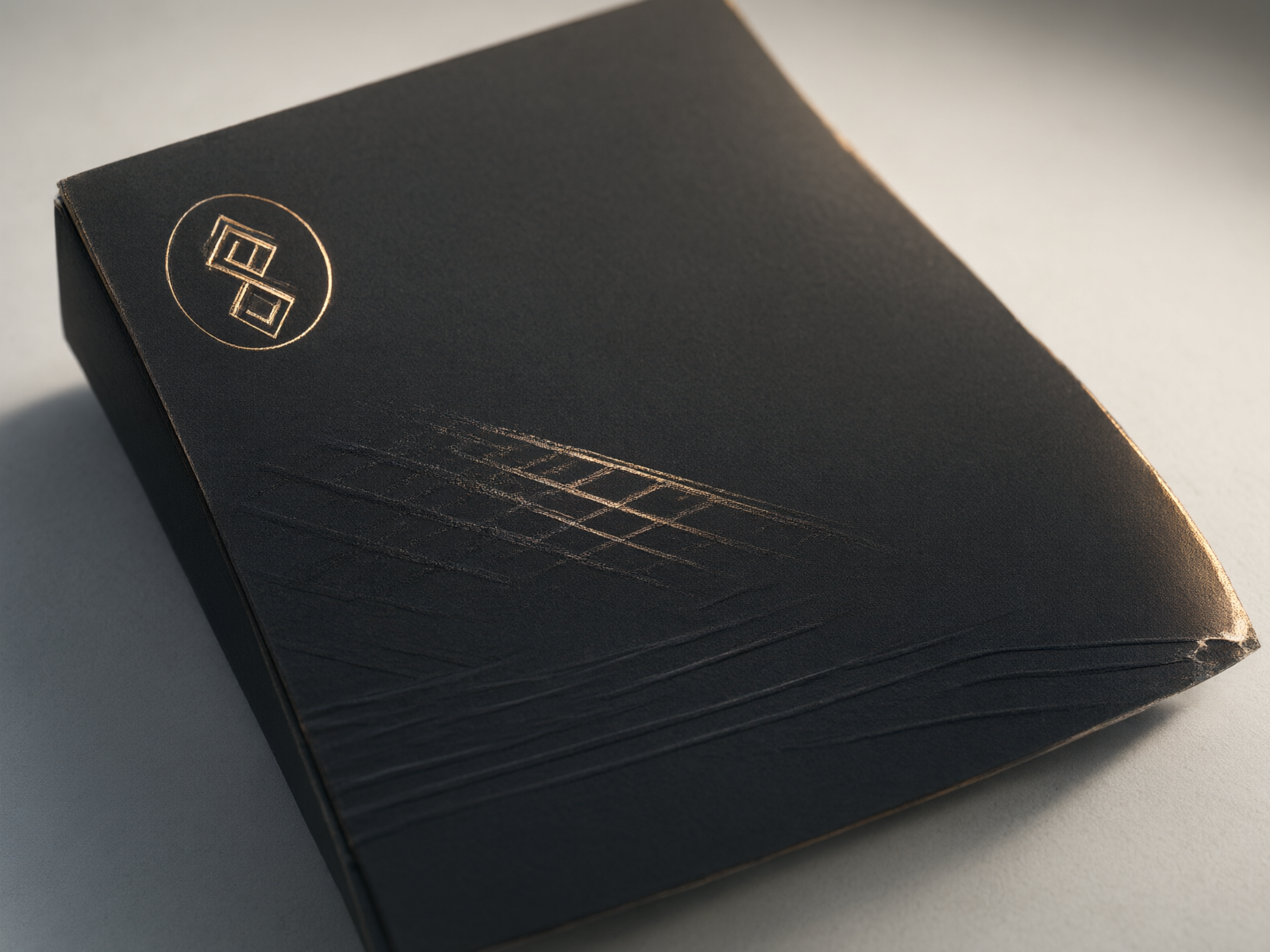
Soft-touch lamination gives a velvet-like hand feel that elevates skimmable text and tactile perception. Spot UV highlights specific elements under directional lighting—effective for ingredient callouts or certification badges. Matte finishes reduce glare in retail settings where overhead lighting creates reflections on glossy stock.
When specifying finishes for beauty packaging, consistency across product lines matters. A brand running five SKUs in identical gift-set format should lock in the lamination color, foil Pantone match, and spot UV registration to prevent batch-to-batch drift across production runs.
Sourcing Considerations for Brand Owners
Working with a packaging manufacturer directly—as opposed to through a trading intermediary—reduces communication friction around tolerances, color calibration, and revision cycles. A direct factory can adjust structural design, swap paper stock, or modify insert layouts after physical sample review without a second hand-off adding delay and markup.
Minimum order quantities vary by construction type. For brands testing a new product line before committing volume, low MOQ options (starting at 200 pieces for rigid boxes) allow a short production run to validate market response. Free sample policies—shipping stock or pre-production samples before a bulk order—give procurement teams a way to verify print color, structural tolerances, and material weight before signing off.
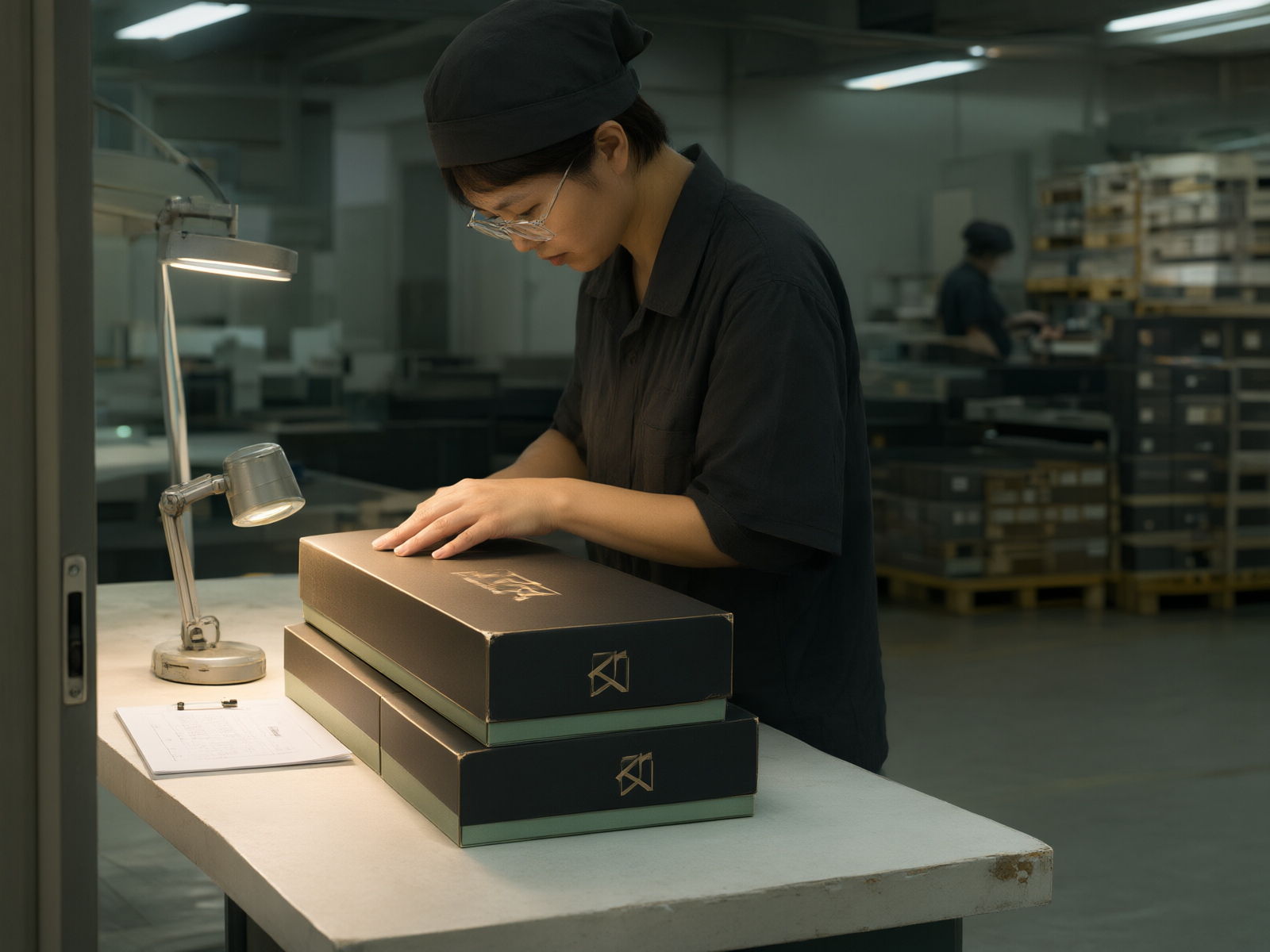
At BOYU LUXE PACK, every project follows a defined workflow from initial specification to final delivery: design review, structural mockup, production sampling, bulk manufacturing, multi-stage quality inspection, and export-standard packing. This process holds across skincare gift boxes, magnetic-closure presentation sets, folding carton lines, and custom rigid boxes with inserts for serum and cream collections.
Getting the Brief Right
Brand owners who provide structural references, target dimensions per SKU, desired weight feel (grammage or board thickness preference), quantity per run, and retail channel context (shelf, e-commerce, direct-to-consumer) tend to receive accurate samples on the first iteration. Including visual references or a competitor package to benchmark finish quality is equally useful.
Custom cosmetic gift boxes succeed when the specification conversation begins early enough that structural design and graphic layout iterate in parallel rather than sequentially. That alignment reduces sample rounds, shortens lead time, and produces packaging that looks and performs as intended from the first production batch.
Interested in Custom Paper Tube Packaging?
Send us your specifications and get a detailed quote within 24 hours.
Get a Free Quote