Common Mistakes When Ordering Custom Printed Paper Tubes & How to Avoid Them
A practical guide covering the 12 most common mistakes buyers make when ordering custom printed paper tubes — from specifying diameter without tolerance to skipping physical sampling — with professional solutions for each.
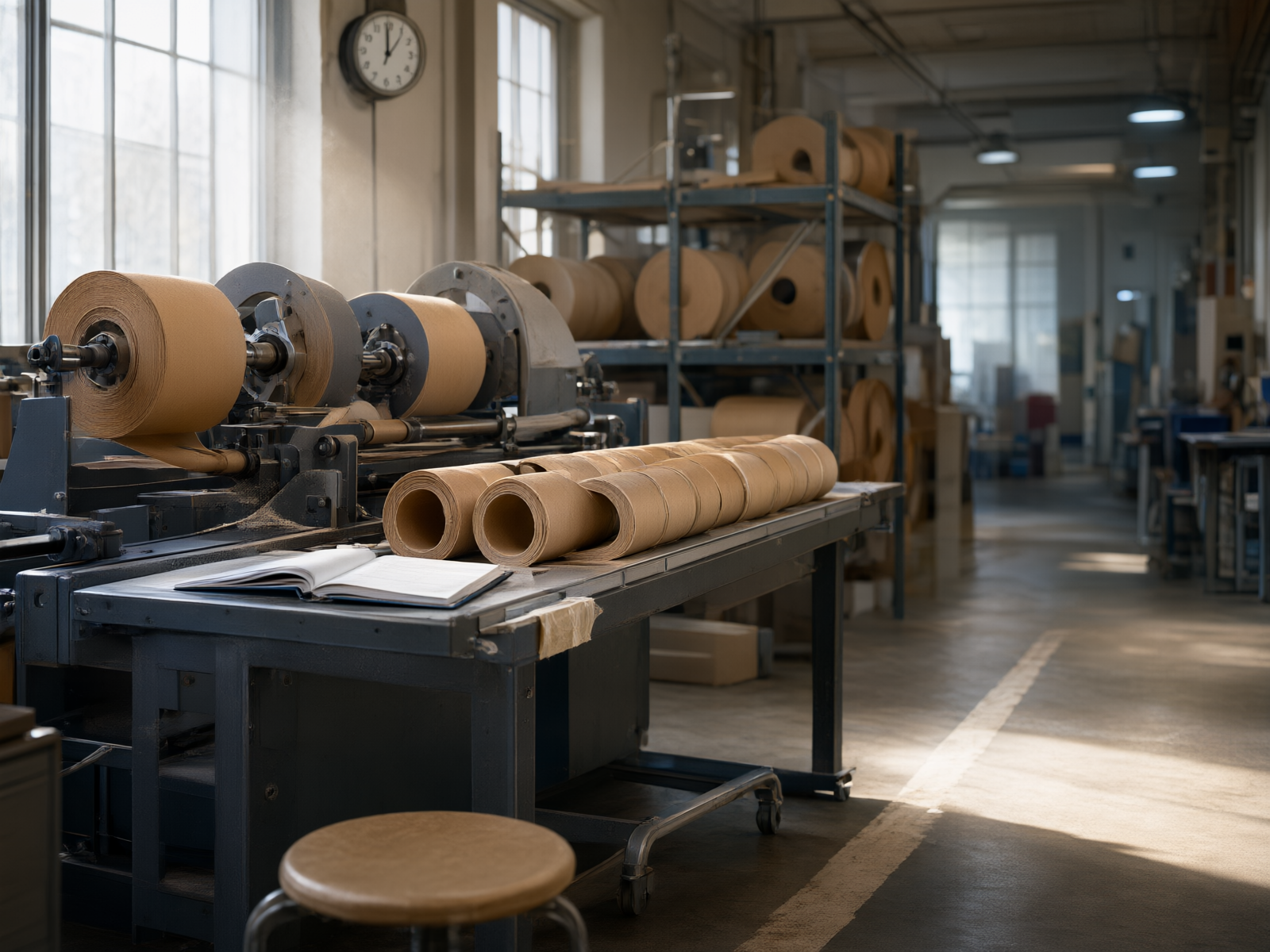
Ordering custom printed paper tubes looks straightforward: send a diameter, pick a color, press “buy.” In practice, cylindrical packaging involves material science, print engineering, and tolerance control. At BOYU LUXE PACK, we see the same mistakes repeat across inquiries month after month. Each one below has a specific consequence and a professional solution.
1. Specifying Diameter Without Tolerance
A request for “5-inch tubes” creates ambiguity. Inner diameter or outer diameter? When the product inside has a tolerance stack plus a foam insert, an inner-diameter tube that matches the product exactly will not close. The result: either the product crushes the seam or the tube rattles in transit.
The solution: state inner diameter, wall thickness, and acceptable deviation in millimeters—for example, “76 mm ID ±0.5 mm.” Share product dimensions and packaging inserts so we can calculate the correct tube diameter rather than guessing.
2. Choosing Materials Before Defining the Application
Kraft paper looks premium on camera. For a cold-pressed tea oil bottle, kraft alone absorbs grease and stains through within days of storage. Material choice must follow application logic.
For food products, we specify food-safe grease-resistant liners. For luxury perfume, a rigid white-top board with soft-touch lamination protects the product and signals quality. Specify shelf life, storage temperature, humidity, and product weight first; material recommendations follow from those constraints.
3. Ignoring Wall Thickness
Wall thickness determines stacking strength, not aesthetics. Thin-wall tubes deform under warehouse palletizing, and the damage appears at the destination, not at the factory gate.
The fix: match wall thickness to load. Heavier contents, greater stacking height, or ocean-container loads call for thicker spiral-wound walls, and wall thickness is measured in millimeters at the ply edge rather than estimated from a sample book. Provide product weight and stacking height, and the required wall thickness follows from the load calculation.
4. Supplying RGB Artwork Without Print Specifications
Screens display RGB (light-based color). Presses apply CMYK or Pantone inks (pigment-based). An RGB design file converted automatically to print mode shifts greens toward olive and cyans toward gray, and a crisp logo arrives muddy.
The solution: supply print-ready CMYK or Pantone files (PDF, AI, or PDF/X-4), or specify the Pantone code in writing. The factory should provide a press simulation, not just a screen preview.
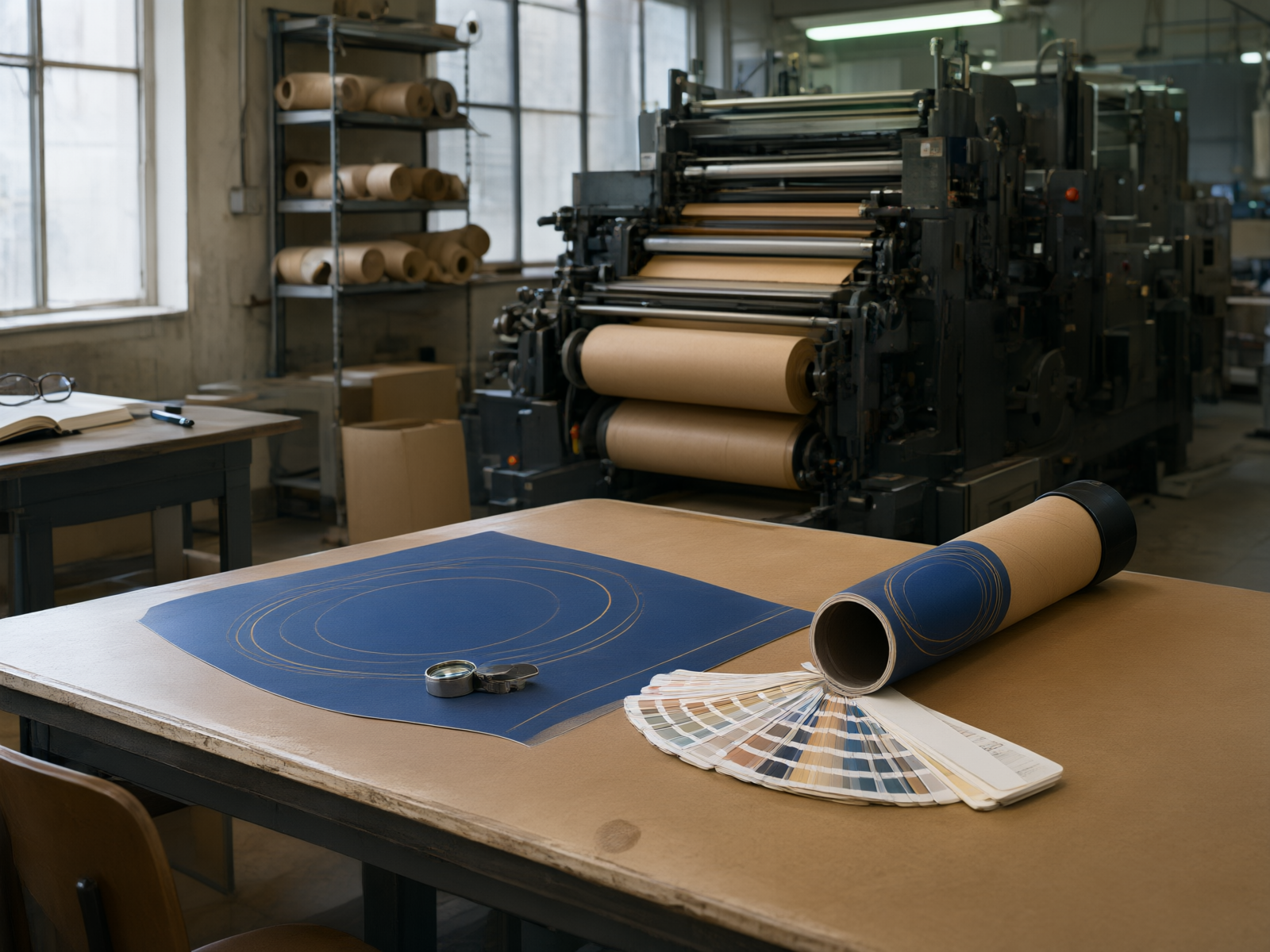
5. Assuming Screen Color Equals Printed Color
Even correct CMYK artwork prints differently across materials. Matte uncoated paper absorbs ink and darkens mid-tones by 15–20% compared with a glossy screen display. This is called dot gain.
The remedy: order a physical color proof on the actual paper stock, or accept a written tolerance (e.g., ΔE ≤ 4 for brand-critical colors). A screen proof cannot replace ink on paper.
6. Putting Tiny Text in Foil Stamping
Foil stamping uses heat and pressure to bond metallic film. Below roughly 0.6 pt line weight or a 2 mm x-height, foil edges blur and letters fill in, and oversized plates fail inspection at the press.
The professional approach: keep foil text at 6 pt bold minimum with generous tracking. For small detail, switch to spot UV or letterpress instead.
7. Not Testing Textured Paper
Linen, bamboo, or felt-finish papers look excellent in a sample book. Under four-color offset printing, the texture flattens and ink pools in the valleys, leaving large printed panels uneven while the tactile quality is lost anyway.
The test: request a printed sample on the actual stock. If the texture must stay visible, limit the design to one or two-color printing and leave unprinted areas.
8. Skipping Lid Fit Verification
Paper tube lids expand and contract with humidity. A lid pressed tightly in a dry warehouse in May becomes hard to open in a July ocean container, and a whole shipment can be rejected because the lids stick.
The controls: specify a lid fit by removal force (e.g., 1.5–3.0 kgf), condition samples under elevated temperature and humidity before sign-off, and confirm whether the lid is friction-fit, threaded, or snap-on before production.
9. Treating “Paper-Based” as “Recyclable”
Paper core tubes with PLA (corn-starch) coating or PE lamination cannot enter standard paper recycling streams. Mixing them contaminates the batch, and the buyer receives the audit penalty.
The clarification: ask the factory what the inner lining and outer coating are, and in what facilities the tube can be recycled. For curbside recyclability in the EU, specify a water-based dispersion coating on FSC-certified kraft rather than plastic laminates.
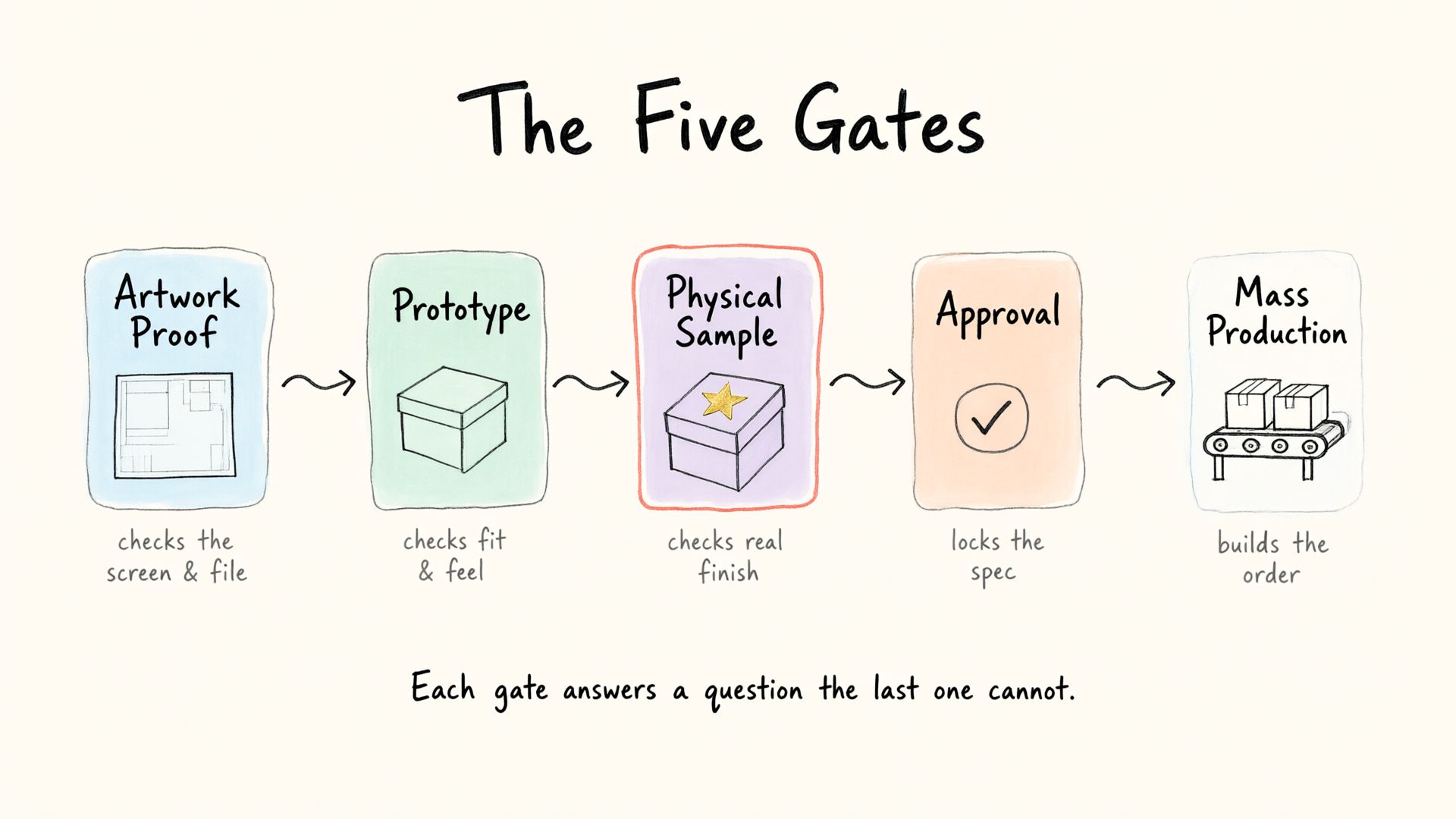
10. Omitting Physical Sampling
Digital proofs catch design errors. Physical samples catch structural, fit, color, and hand-feel problems that no PDF reveals—a tube base that does not sit flat, a wrap that resists creasing during filling.
The rule: request a production-intent sample carrying the exact material, print run, and lid. The cost is a nominal sample fee and express shipping; the savings are measured against a full bulk rework.
11. Not Confirming Packaging and Carton Requirements
Finished tubes must survive freight. Uncovered tubes rub together and scuff. Overpacked cartons exceed safe handling weight. Without inner dividers, arriving cartons show edge damage on the first printed layer.
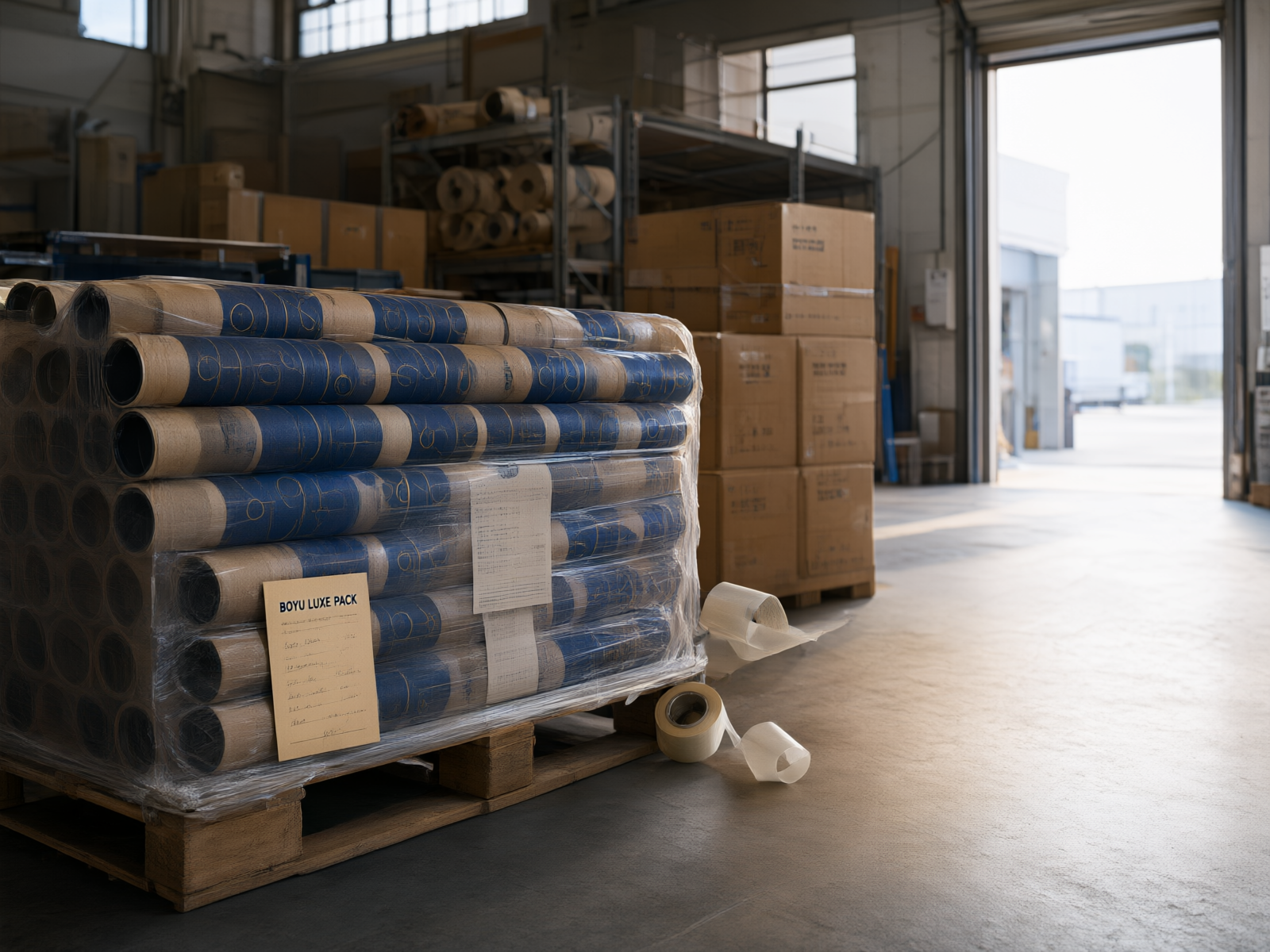
Specify: inner dividers, carton ply (5-ply double-wall for export), units per carton, stack height, and whether tube mouths face up or alternate. Confirm the packing list before production, and reconcile it with the destination warehouse’s pallet standard.
12. Not Documenting the Approved Sample
A buyer approves a verbal “yes, this color” in a meeting, then disputes units in the QC report weeks later for color deviation. The production batch matched the last approved physical sample, but no one recorded the sample date or signed a reference.
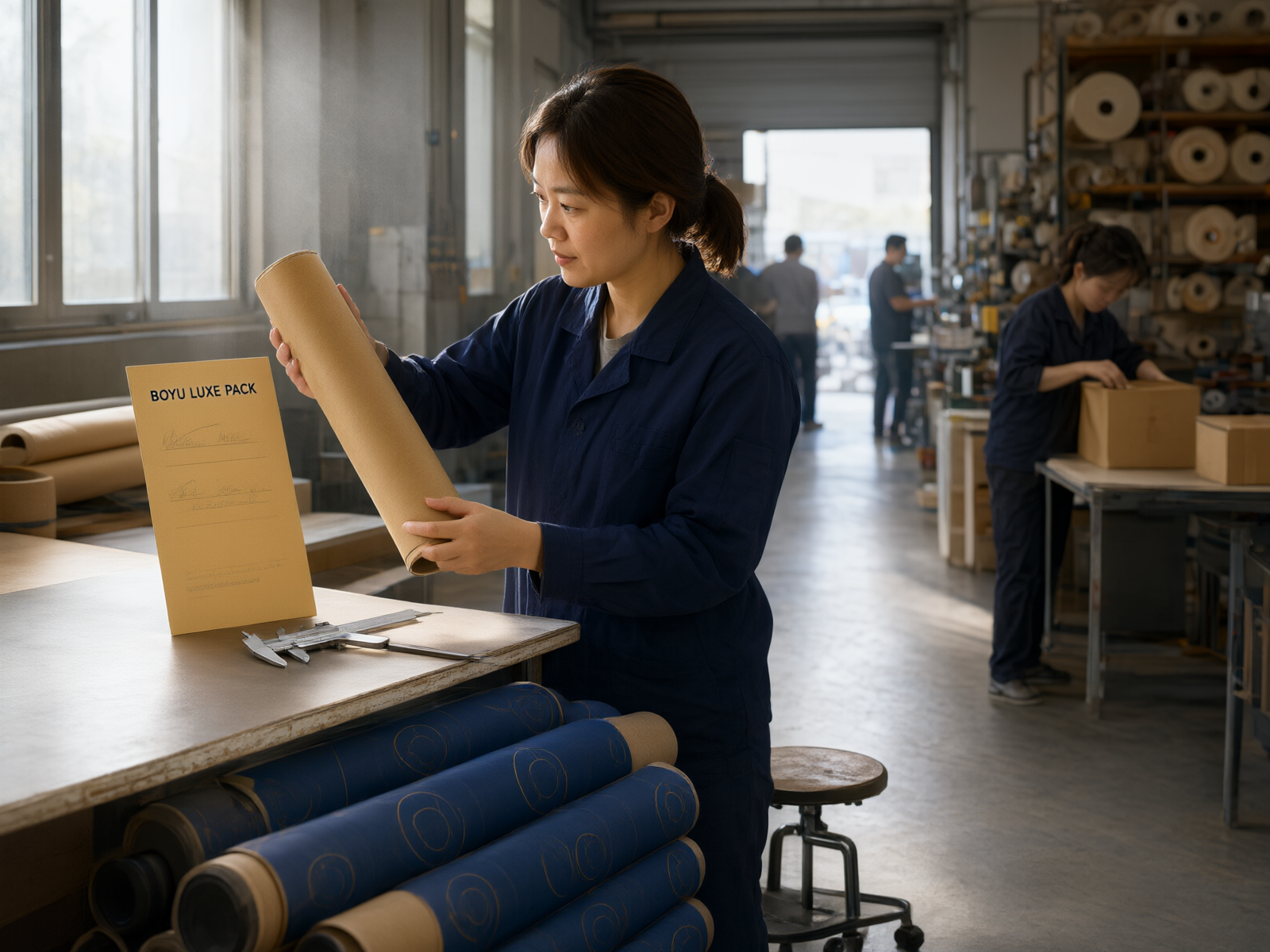
The professional control: sign and date the golden sample, keep one at the factory and one with the buyer, and reference the signed sample card on every reorder form. A signed sample eliminates memory disputes.
FAQ
What artwork files are needed to start an accurate quote?
Vector files—PDF, AI, or EPS—with colors defined in CMYK or Pantone references. If artwork exists only in RGB, the factory should convert it in prepress and return a press simulation for written approval before production.
What is the minimum order quantity for custom printed tubes?
Low MOQ options at BOYU LUXE PACK start at 200 pieces, which keeps pilot launches and seasonal runs economically viable while still allowing full custom construction, printing, and finishing.
Can the factory verify fit and lid function before bulk production?
Yes. A physical pre-production sample produced on the actual stock with the selected lid can be shipped for testing with the real product under destination storage conditions before bulk manufacturing is confirmed.
Avoid These Mistakes With BOYU LUXE PACK
Every error above is solvable during the design phase at no extra cost. As a direct packaging manufacturer in China with in-house printing, we provide free design support covering artwork format, foil legibility, material compatibility, and lid fit tolerance before the first impression runs.
For every bulk order, a pre-production sample and a signed golden sample keep quality control tied to physical evidence, with low MOQ options starting at 200 pieces. Strict quality control inspects production against the approved sample, not against memory, and export experience covers the USA, Europe, the Middle East, and Southeast Asia with global shipping door-to-door.
Send product dimensions, weight, storage conditions, and current artwork, and receive a specification sheet that flags which of these twelve risks apply to the project and what adjustments make it production-ready. Get a free quote or request free samples at sales@ecopaperpackaging.com.
Interested in Custom Paper Tube Packaging?
Send us your specifications and get a detailed quote within 24 hours.
Get a Free Quote